An electric vaporizer appears in the patent record
Joseph Robinson filed a patent application for an electrically heated medicinal vaporizer. Its drawings foreshadow later heated-aerosol hardware, but it was not an electronic cigarette.
VapeRisk publishes harm-reduction content for adult smokers and vapers. Products mentioned are not for sale on this site. You must confirm your age to continue.
From early patents and cigarette-like devices to eGo systems, sub-ohm tanks, closed pods and modern reusable hardware—told through the products, people and companies that changed the category.
Four early experiments establish the premise. From 2003 onward, products, Shenzhen manufacturing, global brands, ownership changes, and national policy move together.
Treat 1927–1985 as four concise precursors. None is presented as a continuous company lineage or as the commercially successful modern e-cigarette. The commercially connected story begins in 2003–2004.
Joseph Robinson filed a patent application for an electrically heated medicinal vaporizer. Its drawings foreshadow later heated-aerosol hardware, but it was not an electronic cigarette.
US1775947A patent recordHerbert A. Gilbert described a device that replaced burning tobacco with heated, flavored air. It is an important conceptual precursor, not a documented mass-market vape.
US3200819A patent recordPhil Ray and Norman Jacobson tested smoke-free nicotine inhalation and helped popularize the word “vaping.” Their system was not electronic, but the language anticipated a new category.
Scholarly history in FSI: SynergyAdvance Tobacco Products marketed the Favor smoke-free cigarette, using nicotine-soaked material rather than an electronic atomizer. It showed consumer interest but did not create a lasting device platform.
Substance Abuse Treatment, Prevention, and Policy historyA patent is not a launch; company history is not independent market-share evidence; an FDA marketing order is product-specific and is not a safety approval; presence in one country is not proof of global leadership.
Joseph Robinson filed a patent application for an electrically heated medicinal vaporizer. Its drawings foreshadow later heated-aerosol hardware, but it was not an electronic cigarette.
Herbert A. Gilbert described a device that replaced burning tobacco with heated, flavored air. It is an important conceptual precursor, not a documented mass-market vape.
Phil Ray and Norman Jacobson tested smoke-free nicotine inhalation and helped popularize the word “vaping.” Their system was not electronic, but the language anticipated a new category.
Advance Tobacco Products marketed the Favor smoke-free cigarette, using nicotine-soaked material rather than an electronic atomizer. It showed consumer interest but did not create a lasting device platform.
From 2003 onward, every product opens into a company, a manufacturing system, a market, and the policy that reshaped it.
China became a branded consumer market, not only the world’s hardware workshop.
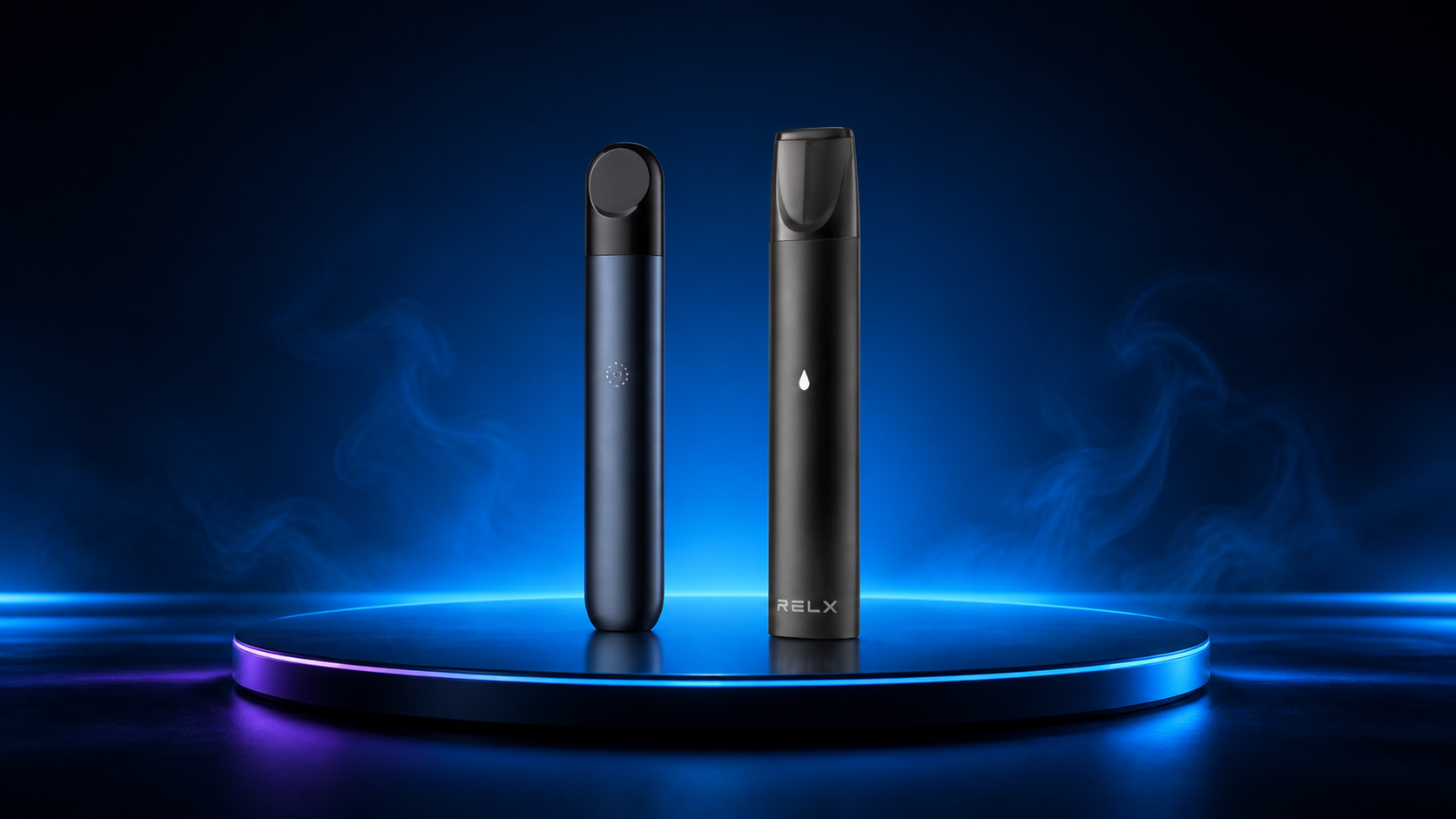 Editorial composite derived from a RELX official comparison

Open a dossier for the people, ownership, manufacturing systems, market shifts, legal boundaries, and evidence behind each object.
 RU
RU
The modern commercial story begins when an invention becomes a saleable category.
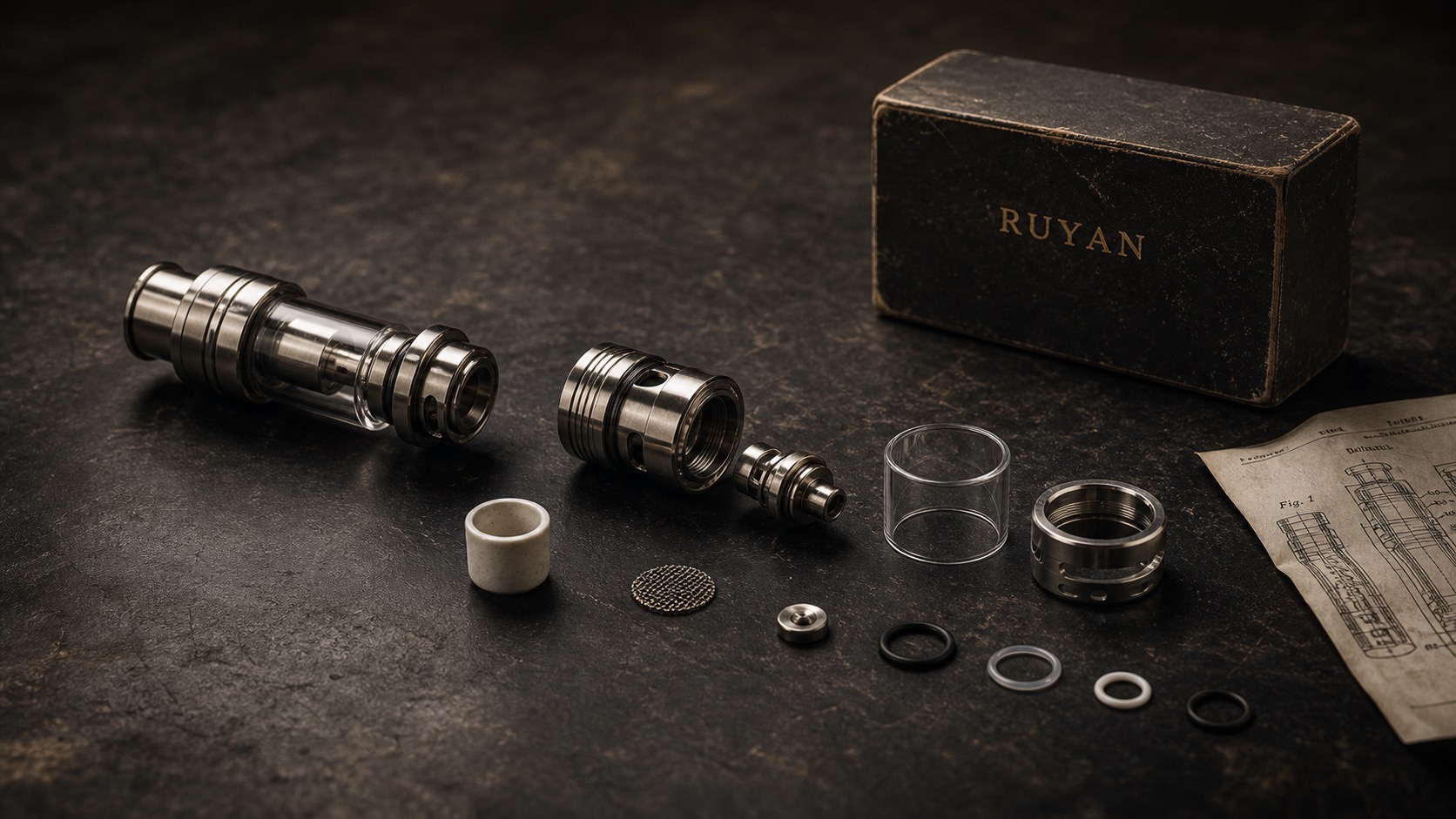
Hon Lik’s patent family claimed priority in 2003, while a later Hong Kong filing recorded Ruyan electronic-cigarette sales turnover for the financial year ended December 2004. Company records then describe overseas entry from 2006. These are separate milestones—patent, recorded sales, and international distribution—not one interchangeable “launch date.”
Turning pointIn 2013, Dragonite sold a defined package of e-vapour patents, marks, know-how, claims, and records to an Imperial-linked buyer. The transaction made the invention transferable global intellectual property, but it was not a sale of every operating asset or an unbroken continuation of one company.
Dragonite 2013 asset-sale circular

Many famous devices begin with a manufacturer whose name consumers never see.
FirstUnion’s official history traces the group’s Shenzhen start to 2004 and describes an early export and contract-manufacturing platform spanning design, laboratories, tooling, production, and regulatory support. Its published scale figures—including relationships with more than 200 brands and reach into more than 80 countries—remain company-reported rather than independent market-rank evidence.
Turning pointThe category stopped being only a collection of branded inventions: OEM/ODM enterprises became industry infrastructure capable of supporting nicotine, non-combustion-heating, medical, and other atomization platforms.
FirstUnion official history

Vaping moved beyond cigarette imitation and became a modular hardware ecosystem.
Joyetech’s Joye 510, eGo battery, eGo-T tank, and eGo-C changeable atomizer became recognizable reference forms across specialist retail. Larger batteries, a manual switch, tanks, and replaceable parts made the device feel less like a novelty cigalike and more like a durable consumer platform.
Turning pointThe eGo form widened everyday adoption, while the 510 connection survived individual product generations and helped create an interoperable hardware economy.
Joyetech company history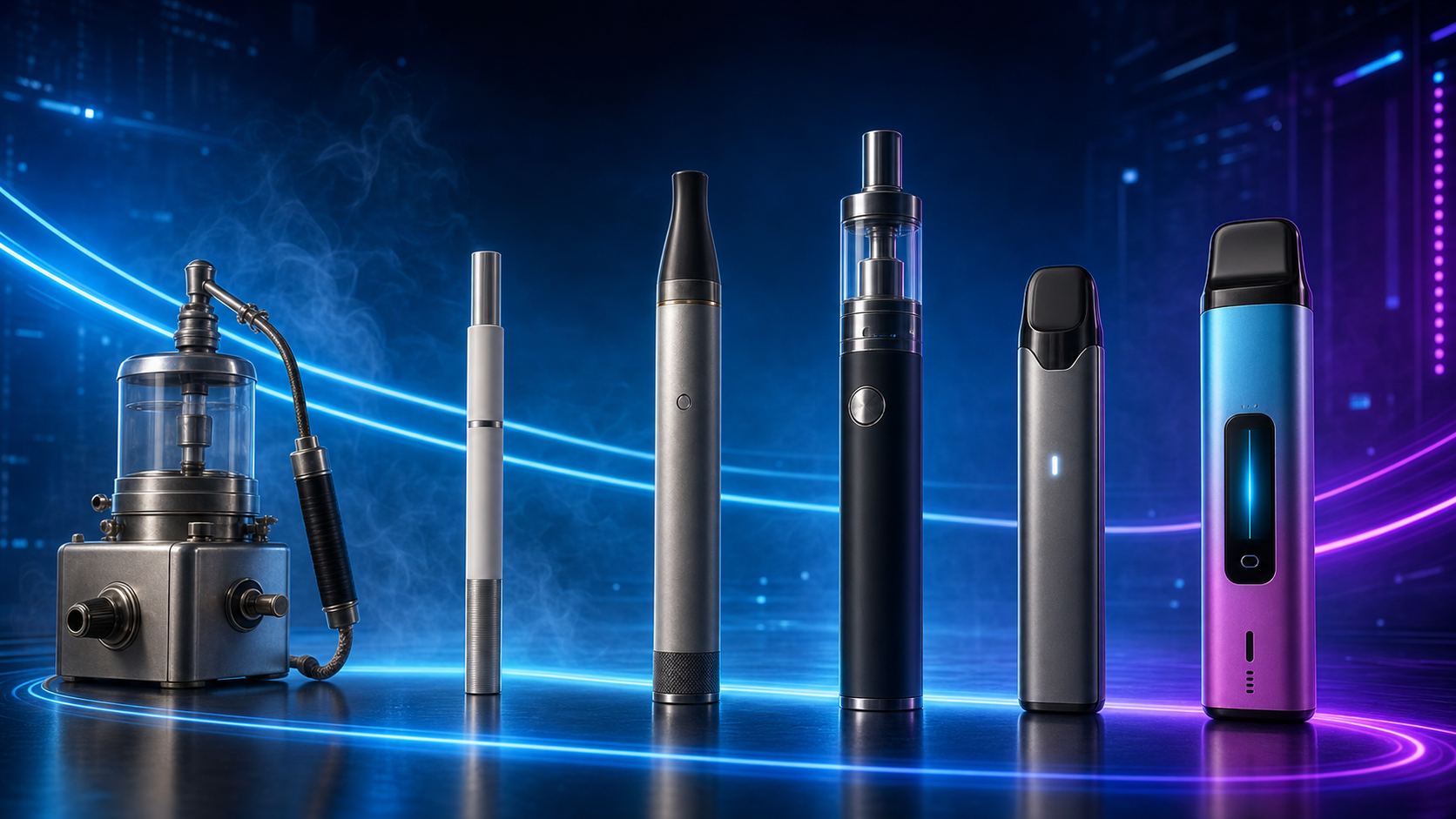

The liquid tank and replaceable coil became ordinary, visible parts of vaping.
Kangertech’s EVOD, Protank, and later Subtank families sit across two major product transitions: from opaque cartridges to transparent reservoirs, and from simple clearomizers to higher-power replaceable-coil and rebuildable systems. Dates and “first” claims on company pages remain attributed to the manufacturer.
Turning pointProtank-era glass tanks normalized visible liquid and replaceable heads; Subtank later brought rebuildable and factory-coil logic into one mainstream platform.
Kangertech corporate information

The supplier itself became a technology brand and a public-market company.
SMOORE scaled as a design-and-manufacturing platform serving other companies, then made ceramic heating visible through the FEELM technology name. Its filings describe a first-generation ceramic-heating milestone in 2016; that is a company-stated milestone, not a claim that SMOORE invented every ceramic coil.
Turning pointThe 2020 Hong Kong listing made patents, heating platforms, factories, and customer relationships visible as core industry assets rather than background supply-chain detail.
SMOORE Hong Kong listing prospectus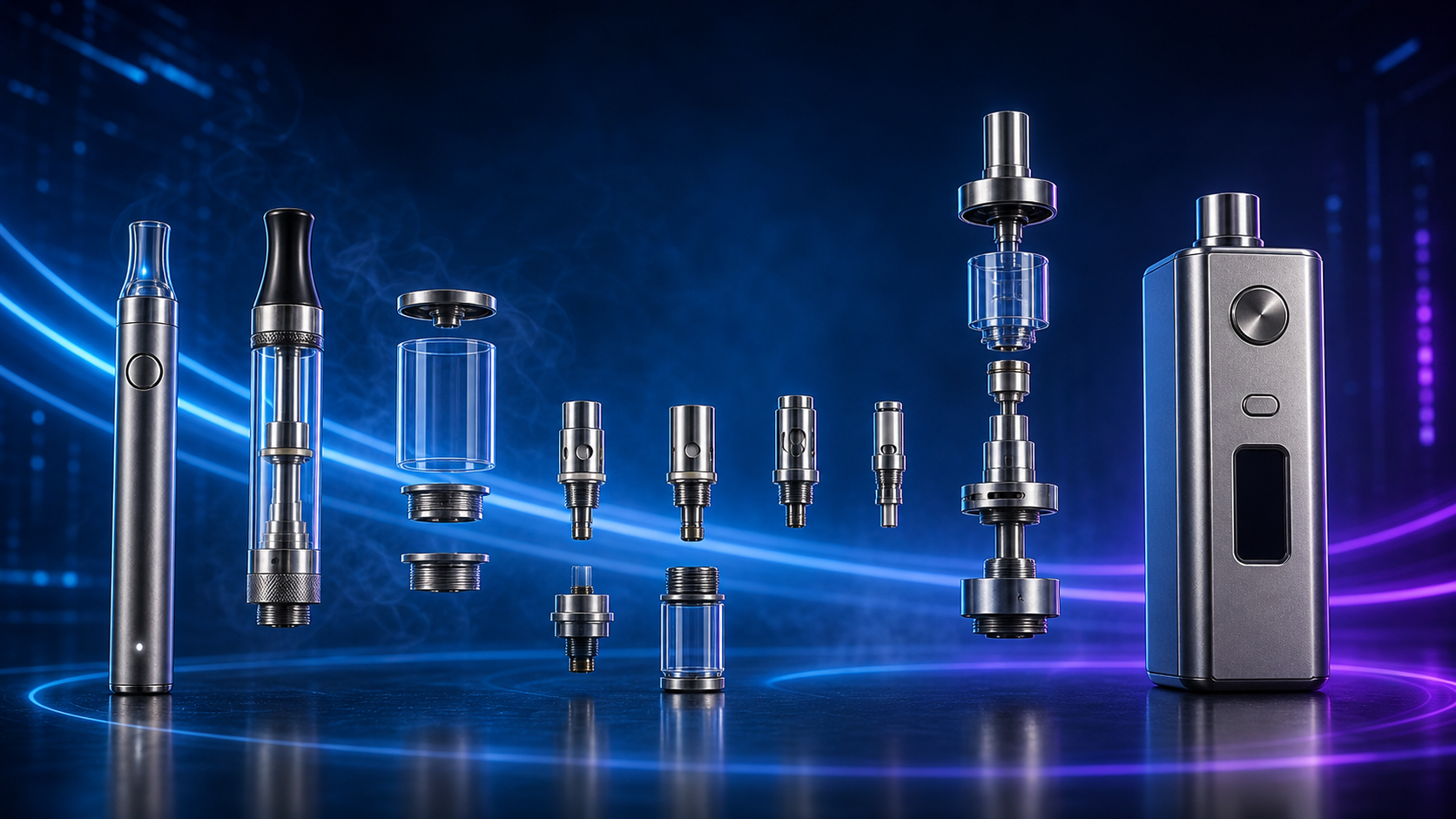

A box-shaped vape could be practical, rechargeable, and approachable.
The iTaste MVP helped normalize the rectangular regulated device, while later Endura and platform products emphasized repeatable starter systems and supported coil families. Founding and product narratives are company-authored; their value here is the design shift they document, not a market-share claim.
Turning pointRegulated power, built-in charging, and a screen moved box devices out of hobbyist enclosures and into a broader consumer category.
Innokin company history

A manufacturing platform proved it could build its own durable consumer identity.
Vaporesso translated SMOORE’s component, engineering, and manufacturing base into a consumer brand spanning regulated mods, tanks, and later reusable pod systems. The XROS family became a visible part of the post-disposable reusable-pod story, but company milestones and sales totals must remain attributed.
Turning pointThe move from contract technology to a global-facing brand connected invisible platform capability with a consistent product language consumers could recognize.
Vaporesso company history

Durability became a recognizable brand system rather than a hidden specification.
Geekvape entered through enthusiast hardware and rebuildables, then used the Aegis family to make shock, dust, and water resistance central to the product proposition. Its own sustainability and corporate publications establish the attributed brand story, not an independent global rank.
Turning pointAegis gave the company a repeatable visual and engineering identity that could extend from specialist devices into mainstream kits and pods.
Geekvape sustainability report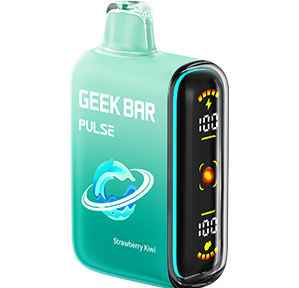

The “disposable” became a rechargeable, screen-led gadget.
Geek Bar represents the feature-rich high-puff phase in which screens, selectable modes, rechargeable batteries, and rapid model turnover blurred the old line between a simple disposable and an electronic device. The Museum does not turn its visibility into a claim of worldwide leadership or treat every SKU as lawfully marketed.
Turning pointRapid U.S. retail visibility was followed by FDA warning and seizure activity around unauthorized flavored products, making enforcement part of the brand’s American story.
FDA Geek Bar enforcement summary
China became a branded consumer market, not only the world’s hardware workshop.
RELX combined closed-pod products, a large branded-store network, capital, and later in-house laboratories during China’s rapid pre-licensing expansion. Its SEC filings explain the corporate structure and reported business, but they should not be converted into an undated present-day domestic ranking.
Turning pointChina’s 2021–2022 regulatory reset moved the business from fast retail expansion into a licensed national system with mandatory product standards and constrained domestic portfolios.
RLX Technology F-1 filing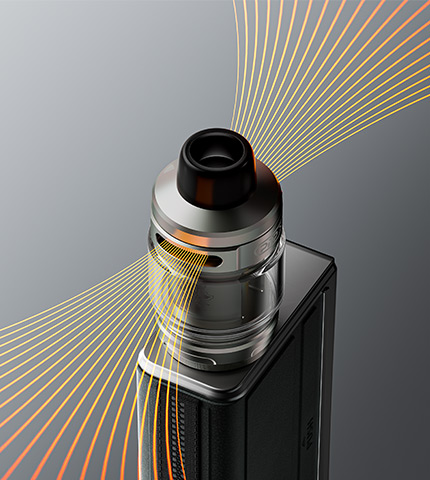

The chipset moved from an internal component to the center of the brand story.
VOOPOO’s DRAG made regulation speed and the GENE chipset visible marketing ideas; later VINCI and ARGUS products helped define pod-mod and compact-pod categories. The partnership, launch dates, and performance figures on its story page are company-authored claims.
Turning pointControl electronics became a consumer-facing identity, allowing the company to carry one recognizable design and naming system across several hardware formats.
VOOPOO brand story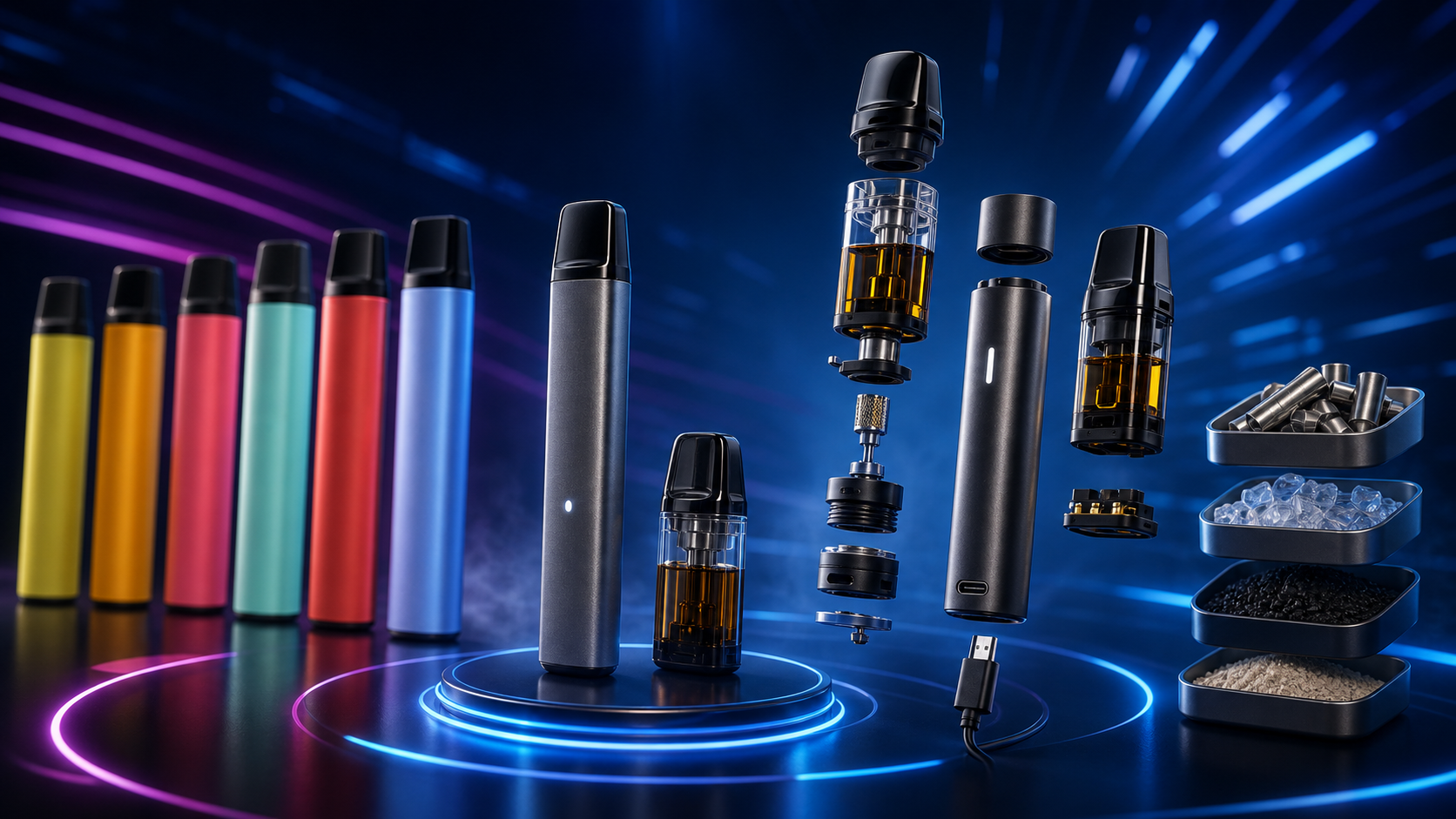

A compact flavored disposable became a global name—and then a regulatory case study.
Elf Bar paired compact industrial design, many flavors, and fast-moving distribution. In the United States, trademark litigation was followed by EB Design and EB Create naming, showing why a consumer label, a manufacturer, a trademark owner, and a distributor should not be collapsed into one legal entity.
Turning pointFDA import alerts, seizures, and retailer actions made border enforcement and brand-name mutation part of the story; later single-use bans increased pressure to move recognizable names into reusable formats.
FDA Elf Bar import-alert summary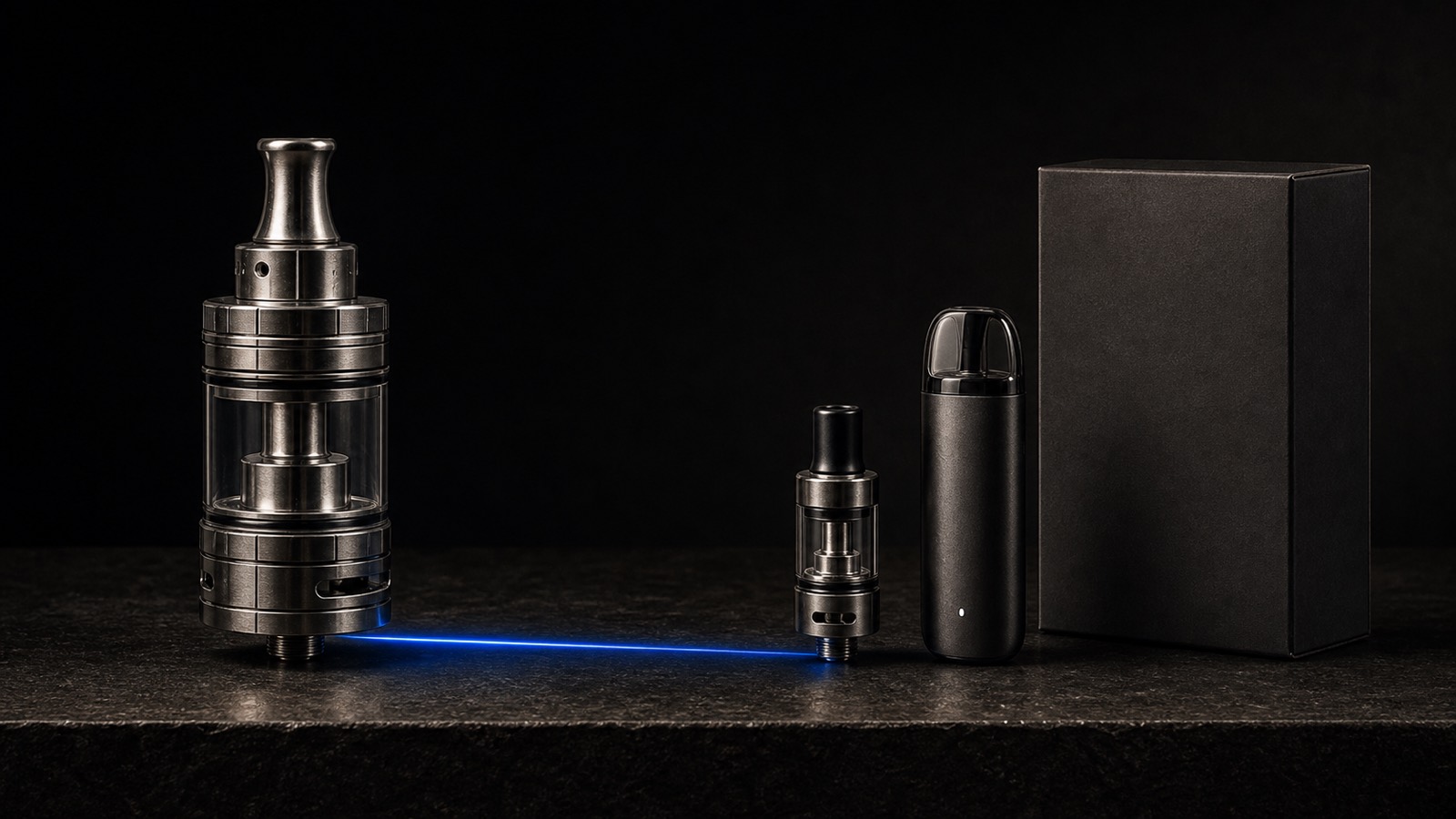

One supply system can support several very different consumer identities.
Lost Mary developed a softer, more lifestyle-oriented design language than Elf Bar while operating within the same documented manufacturer cluster. This sister-brand strategy shows how fast-moving disposable portfolios segment users without requiring a wholly separate industrial platform.
Turning pointFDA statements increasingly linked Lost Mary and Elf Bar to the same responsible firm, while the United Kingdom’s disposable ban pushed familiar names toward pod systems. UK survey visibility is a dated user measure, not proof of worldwide leadership.
FDA same-firm enforcement statement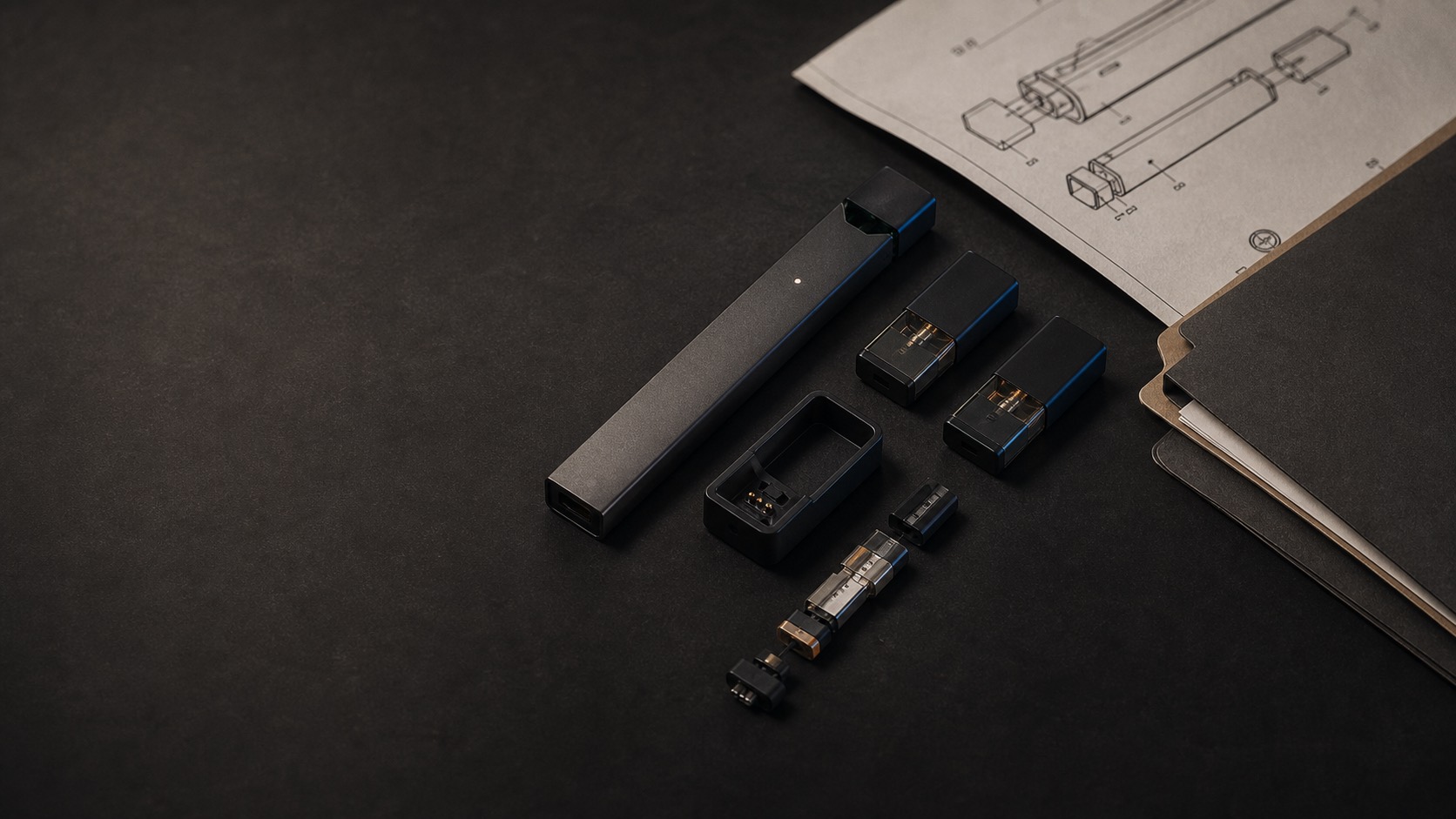

A small USB-like pod changed product design, nicotine delivery, youth policy, and venture valuations at once.
The founders’ path ran from Ploom tobacco-vapor products to PAX and then JUUL. A 2013 patent family documents a nicotine-salt formulation, while 2015 court records establish first commercial use of the JUUL name. The compact closed pod reset convenience expectations and also became inseparable from youth-use controversy, litigation, and enforcement.
Turning pointAltria paid $12.8 billion for a 35% economic interest in 2018—not control—then impaired and unwound it. FDA denied JUUL applications in 2022, stayed and later rescinded those orders, and in 2025 authorized five named device-and-pod products; the orders are product-specific, not a brand-wide safety endorsement.
FDA 2025 JUUL marketing orders

Tobacco-company distribution and regulatory capacity became as important as the device.
R.J. Reynolds launched Vuse with established retail reach, research resources, and a digitally controlled product proposition. BAT later inherited the brand through its 2017 acquisition of the Reynolds shares it did not already own, connecting U.S. mass retail with a wider international portfolio.
Turning pointIn 2021, Vuse Solo and two tobacco-flavored cartridges received the first U.S. ENDS marketing orders. The milestone proved that PMTA authorization was possible while also showing that authorization attaches to named device-and-consumable combinations, not every Vuse product worldwide.
FDA first ENDS marketing orders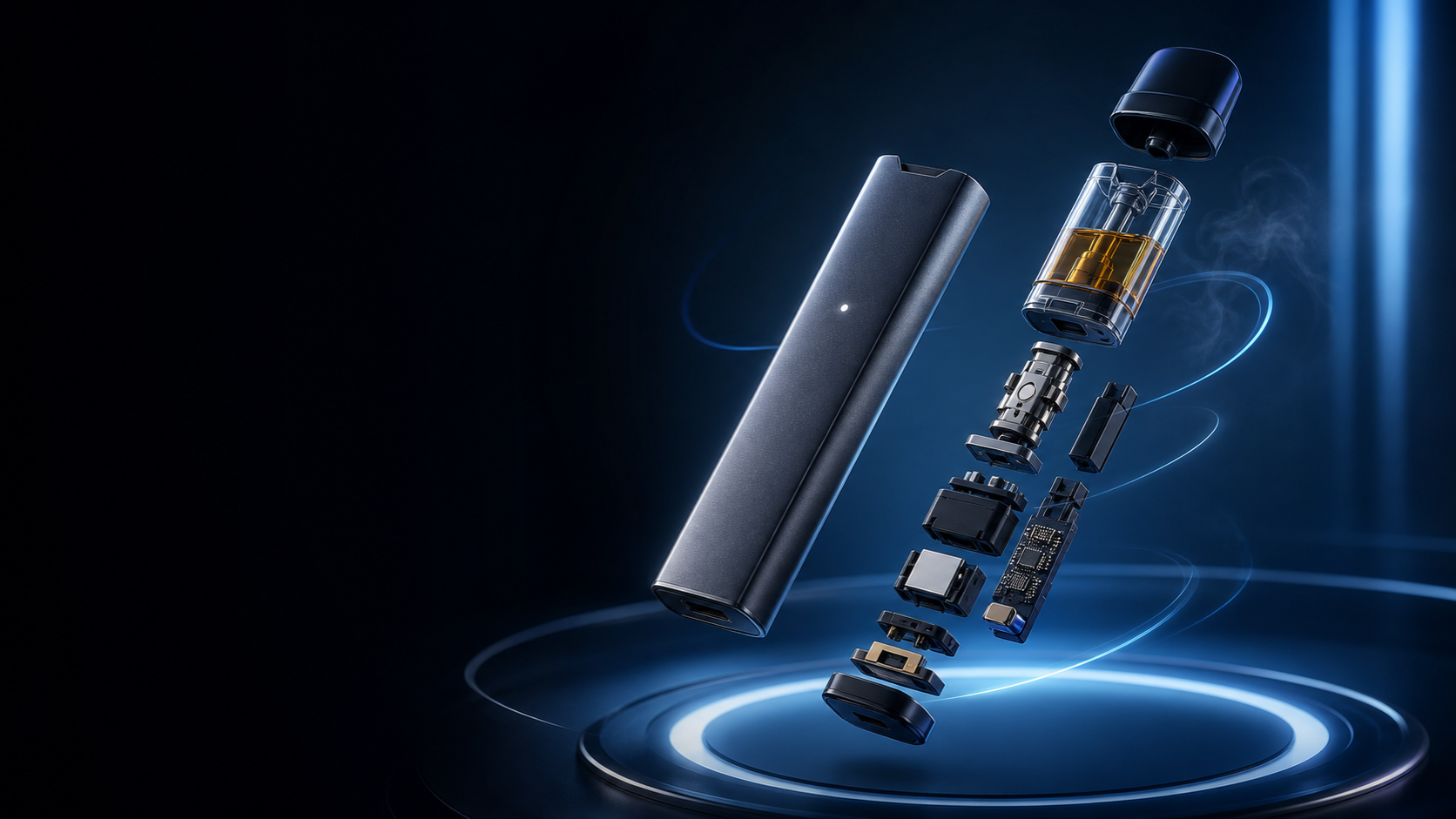

One brand crossed the court era, bankruptcy transfers, the disposable boom, PMTA, and tobacco-company ownership.
NJOY helped establish the U.S. tobacco-law route through Sottera v. FDA, made the King a visible premium cigalike, passed through bankruptcy-era asset transfers, and re-emerged around the ACE pod. The historical debtor and later NJOY Holdings should not be treated as uninterrupted legal continuity.
Turning pointFDA marketing orders for named ACE products made NJOY a product-specific authorization platform; Altria’s 2023 acquisition then contrasted sharply with its failed minority investment in JUUL.
Altria NJOY acquisition record

Article 20 established common product, notification, packaging, advertising, nicotine-strength, and container requirements, while national implementation still produced country-level variation. Notification is not an EU-wide marketing authorization or a sales ranking.
Article 20 established common product, notification, packaging, advertising, nicotine-strength, and container requirements, while national implementation still produced country-level variation. Notification is not an EU-wide marketing authorization or a sales ranking.
EUR-Lex · Directive 2014/40/EU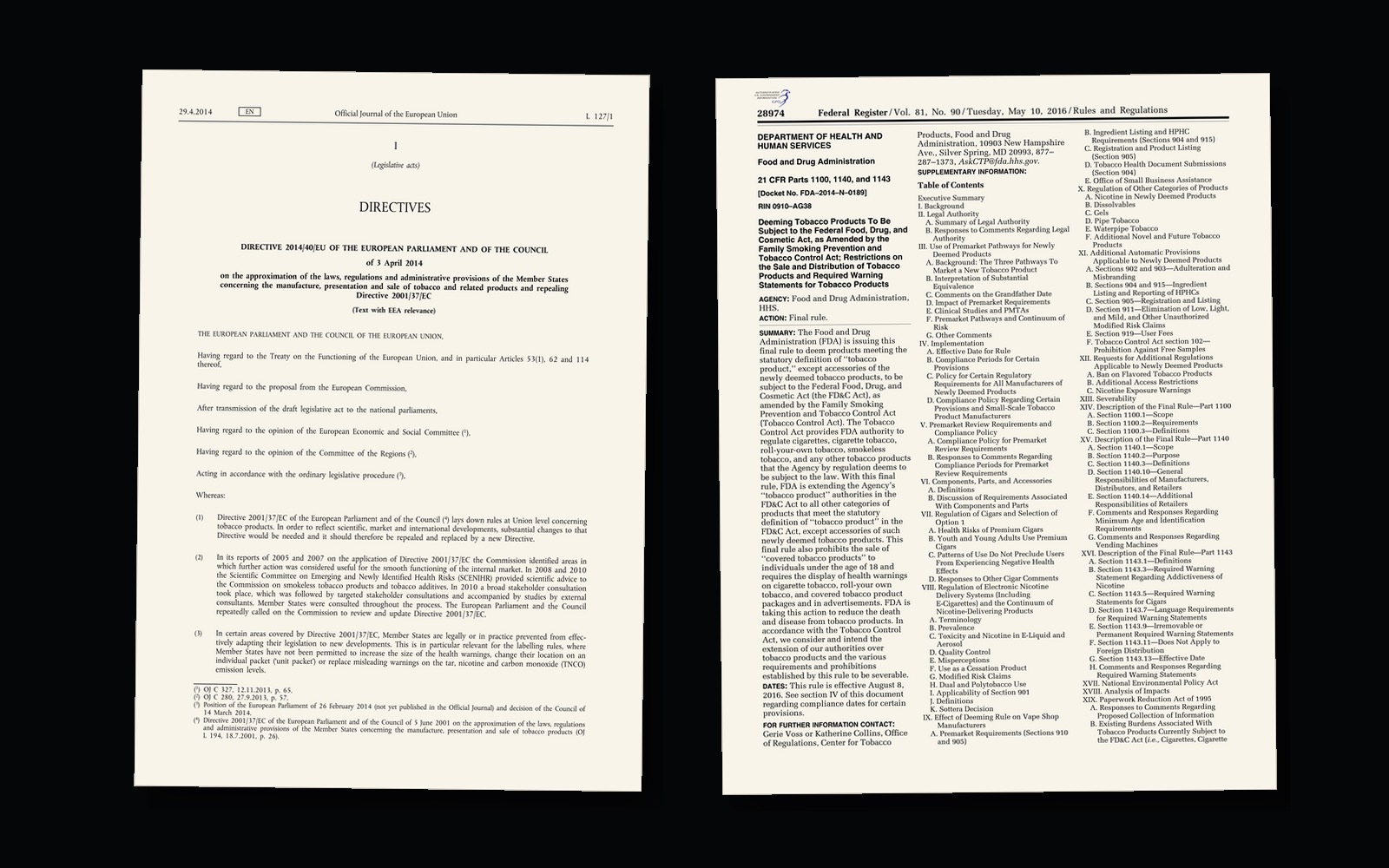

E-cigarettes entered the federal tobacco-product framework, bringing age restrictions, warnings, ingredient reporting, and a product-by-product premarket pathway. Later litigation and guidance altered deadlines, not the underlying statutory route.
E-cigarettes entered the federal tobacco-product framework, bringing age restrictions, warnings, ingredient reporting, and a product-by-product premarket pathway. Later litigation and guidance altered deadlines, not the underlying statutory route.
FDA Deeming Rule

The standard set technical, emissions, hardware, labeling, and domestic product requirements and took effect on October 1, 2022. Export-only products can face destination-market rules rather than every domestic retail requirement.
The standard set technical, emissions, hardware, labeling, and domestic product requirements and took effect on October 1, 2022. Export-only products can face destination-market rules rather than every domestic retail requirement.
China SAMR · GB 41700-2022

Australia replaced normal consumer retail with a therapeutic pharmacy pathway. From October 1, eligible adults could obtain some lower-strength therapeutic vapes without a prescription after pharmacist consultation, subject to federal and state or territory rules.
Australia replaced normal consumer retail with a therapeutic pharmacy pathway. From October 1, eligible adults could obtain some lower-strength therapeutic vapes without a prescription after pharmacist consultation, subject to federal and state or territory rules.
Australian Department of Health · pharmacy changes
The measure applied across England, Scotland, Wales, and Northern Ireland and forced brands and retailers toward compliant reusable devices. It is a product-format ban, not a prohibition on every vape.
The measure applied across England, Scotland, Wales, and Northern Ireland and forced brands and retailers toward compliant reusable devices. It is a product-format ban, not a prohibition on every vape.
UK Government · single-use vapes banSeventeen national and regional turning points show why the same product evolved differently in the United States, Europe, China, Australia, Canada, New Zealand, the Philippines, South Korea, and the United Kingdom. Open only the records you need.
European UnionThe revised Tobacco Products Directive creates a shared e-cigarette rulebook
Article 20 established common product, notification, packaging, advertising, nicotine-strength, and container requirements, while national implementation still produced country-level variation. Notification is not an EU-wide marketing authorization or a sales ranking.
EUR-Lex · Directive 2014/40/EU
European UnionMost TPD e-cigarette provisions begin to apply
The directive moved from legislation into operating product rules across member states. Transitional periods and domestic law affected exact retail timing, so the date should not be treated as a perfectly uniform market switch.
EUR-Lex · TPD application provisions
United StatesFDA’s Deeming Rule takes effect for ENDS
E-cigarettes entered the federal tobacco-product framework, bringing age restrictions, warnings, ingredient reporting, and a product-by-product premarket pathway. Later litigation and guidance altered deadlines, not the underlying statutory route.
FDA Deeming Rule CanadaCanada’s Tobacco and Vaping Products Act receives Royal Assent
Canada created a national framework for non-therapeutic vaping products with youth-sales, promotion, ingredient, and packaging controls. Products making therapeutic claims remained subject to a separate health-product route.
Health Canada · TVPA announcement
ChinaRegulators order action against online e-cigarette sales and advertising
The measure closed a major digital acquisition channel and pushed the fast-growing domestic category toward offline retail, foreshadowing the comprehensive licensing and standards system introduced in 2021–2022.
State Council of China · joint notice summary
United StatesThe court-adjusted PMTA submission deadline arrives
Millions of existing vapor products reached the application deadline. Filing did not itself mean authorization, and applications or SKUs should not be counted as equivalent to brands.
FDA PMTA milestone New ZealandNew Zealand first regulates vaping as a consumer-product category
The country established a legal regulated market rather than a pharmacy-only or total-prohibition model. Individual requirements commenced on different dates, so the year is retained at the level supported by the ministry summary.
New Zealand Ministry of Health · Smokefree Act overview
CanadaThe federal 20 mg/mL nicotine ceiling comes into force
Canada constrained high-nicotine formulations at a level aligned with the EU ceiling. Retail transition timing continued beyond the formal commencement date.
Justice Laws · Nicotine Concentration in Vaping Products Regulations
ChinaE-cigarettes enter the legal framework used for cigarettes
The State Council’s amendment supplied the legal foundation for monopoly administration. Detailed licensing, transaction, product, and technical requirements followed in 2022.
China MIIT · amended implementation regulation
ChinaMandatory national standard GB 41700-2022 is published
The standard set technical, emissions, hardware, labeling, and domestic product requirements and took effect on October 1, 2022. Export-only products can face destination-market rules rather than every domestic retail requirement.
China SAMR · GB 41700-2022 PhilippinesRepublic Act No. 11900 lapses into law
The Vaporized Nicotine and Non-Nicotine Products Regulation Act established a national consumer-product framework. The law remains politically contested; the Museum describes its statutory role without endorsing its harm-reduction rationale or assuming that registration equals market leadership.
Philippine Senate Legislative Reference Bureau · RA 11900
AustraliaAustralia begins its staged disposable-vape import ban
The first 2024 phase prohibited disposable-vape imports, followed by broader supply changes. Limited exceptions and later stages mean this date is one step in a staged therapeutic-vaping reform, not the whole policy.
Australian TGA · January 2024 reforms
AustraliaLegal vape supply moves to pharmacies
Australia replaced normal consumer retail with a therapeutic pharmacy pathway. From October 1, eligible adults could obtain some lower-strength therapeutic vapes without a prescription after pharmacist consultation, subject to federal and state or territory rules.
Australian Department of Health · pharmacy changes
United KingdomThe United Kingdom bans single-use vapes
The measure applied across England, Scotland, Wales, and Northern Ireland and forced brands and retailers toward compliant reusable devices. It is a product-format ban, not a prohibition on every vape.
UK Government · single-use vapes ban
New ZealandNew Zealand prohibits disposable-vape manufacture and supply
The ban combined youth-access policy with product-design rules while preserving a legal reusable-vape category subject to other requirements. It therefore differs from Australia’s pharmacy model and from a total sales ban.
New Zealand Ministry of Health · recent law changesThe amendment closed a legal-definition gap for synthetic-nicotine products and aligned them with tobacco taxation and controls from April 24, 2026. Transitional relief means not every obligation applied identically to every business on day one.
Korea National Law Information Center · amended statute
United KingdomVaping Products Duty is scheduled to begin
The legislated duty is scheduled at £2.20 per 10 mL. As this milestone is future-dated at the Museum’s July 2026 research cutoff, implementation must be rechecked after October 1 rather than rendered as completed history.
HM Revenue & Customs · Vaping Products DutyThe record resumes in 2003 rather than pretending the sparse 1986–2002 archive contains a continuous product dynasty.
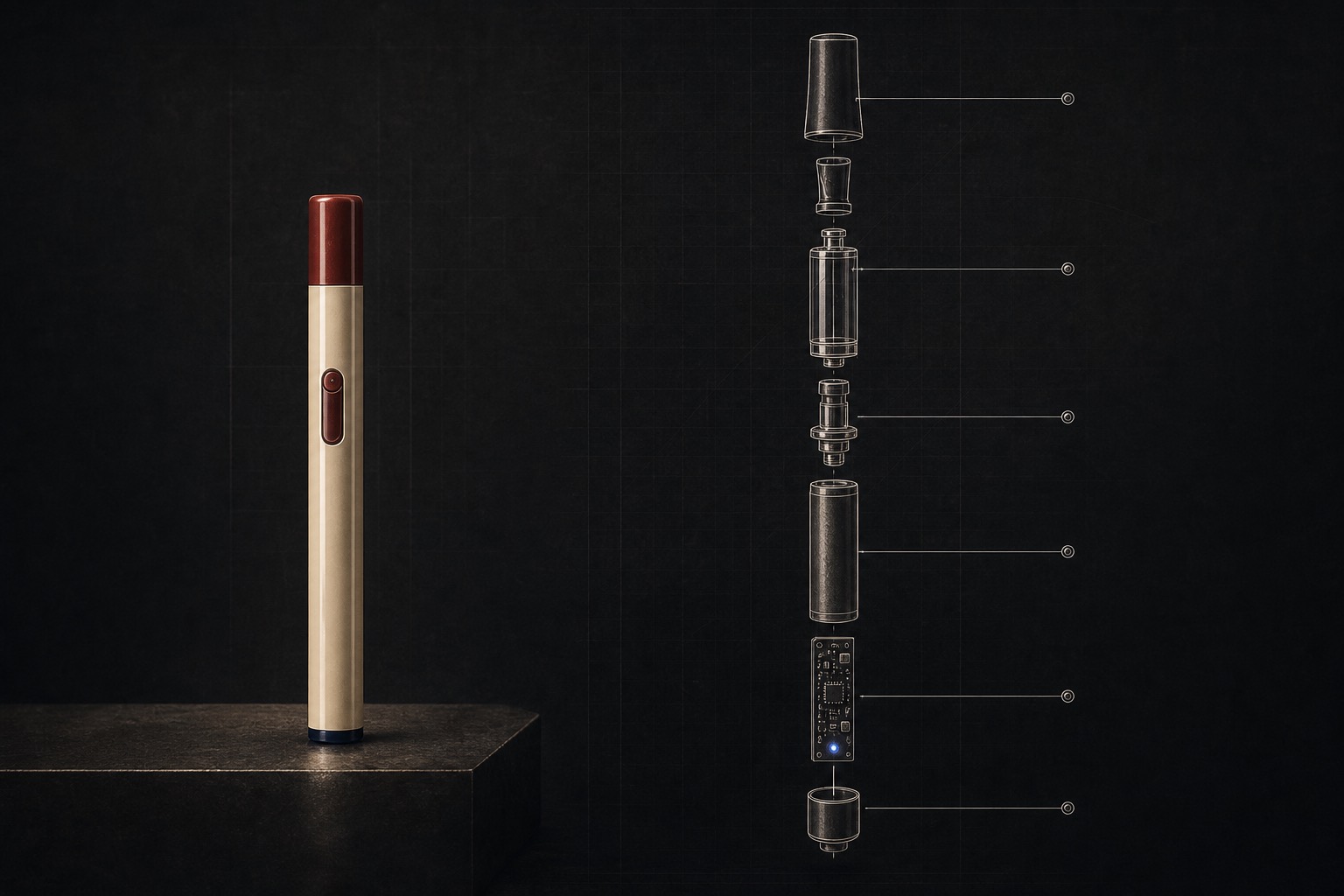
This anchors the best-documented modern commercial lineage. A priority claim is not a retail launch date, and the exact first SKU and launch month remain unresolved.
Battery, controller, liquid reservoir, and atomization chamber become one consumer object. Early versions appear in cigarette, cigar, and pipe-like forms.
Commercial activity begins in China, then company filings report entry into selected Asian, European, and North American markets. Global diffusion begins before global rules exist; this documented chain does not retroactively turn earlier precursors into one continuous company lineage.
Evidence boundary: 2003 is a patent-priority date, 2004 is documented sales by year, and 2006 is company-reported overseas entry. None is presented as one universally agreed launch day.
The record resumes in 2003 rather than pretending the sparse 1986–2002 archive contains a continuous product dynasty. Hon Lik’s patent family, Ruyan’s recorded sales, and a growing Chinese supply chain form the first commercially successful modern lineage. Patent, launch, sales, and overseas entry are different dates—and the Museum keeps them separate.
Battery, controller, liquid reservoir, and atomization chamber become one consumer object. Early versions appear in cigarette, cigar, and pipe-like forms.
Commercial activity begins in China, then company filings report entry into selected Asian, European, and North American markets. Global diffusion begins before global rules exist; this documented chain does not retroactively turn earlier precursors into one continuous company lineage.
Hon Lik’s patent family and Ruyan’s recorded 2004 sales anchor the best-documented modern commercial story. The listed group later sold a defined e-vapour asset package to Fontem.
FirstUnion belongs in the industry story because many globally sold devices begin with an invisible manufacturing platform. Its official history traces the group to Shenzhen in 2004 and reports work with more than 200 brands across over 80 countries, supported by nicotine, non-combustion-heating, medical, and functional-substance atomization platforms.
Nothing from the historical record is removed by the visual chapter above. Every step remains linked to a patent, filing, law, regulator, study, or clearly labelled company record.
This anchors the best-documented modern commercial lineage. A priority claim is not a retail launch date, and the exact first SKU and launch month remain unresolved.
WIPO patent familyGolden Dragon reported HK$11.687 million in electronic-cigarette sales for 2004. That proves commercial activity by year, not a single ceremonial “launch day.”
HKEX interim reportFirstUnion’s official history dates the group’s Shenzhen start to 2004 and reports early overseas activity from the following year. The record shows how quickly the category developed an OEM/ODM layer alongside consumer-facing inventors and brands; its “first export” language remains a company claim.
FirstUnion official historyListed-company records describe overseas expansion from 2006. This is management reporting, not a complete customs ledger or proof of market share.
HKEX annual reportThe first global public-health confrontation is about evidence and marketing language: WHO says e-cigarettes should not be presented as proven cessation therapy without supporting evidence.
WHO statementThis anchors the best-documented modern commercial lineage. A priority claim is not a retail launch date, and the exact first SKU and launch month remain unresolved.
Golden Dragon reported HK$11.687 million in electronic-cigarette sales for 2004. That proves commercial activity by year, not a single ceremonial “launch day.”
FirstUnion’s official history dates the group’s Shenzhen start to 2004 and reports early overseas activity from the following year. The record shows how quickly the category developed an OEM/ODM layer alongside consumer-facing inventors and brands; its “first export” language remains a company claim.
Listed-company records describe overseas expansion from 2006. This is management reporting, not a complete customs ledger or proof of market share.
The first global public-health confrontation is about evidence and marketing language: WHO says e-cigarettes should not be presented as proven cessation therapy without supporting evidence.
American cigalikes reach mass retail while Shenzhen hardware becomes modular.
A larger 14 mm battery and manual-button format helped detach vaping from the cigarette silhouette. The milestone is company-authored, so its “first” claims are treated as claims, not neutral certification.
Manual switches, larger batteries, threaded connections, transparent tanks, and replaceable coils turn a sealed imitation cigarette into an interoperable system.
China becomes the hardware workshop; the United States becomes a legal and retail battleground; Europe, online forums, and specialist shops help normalize open-system use.
American cigalikes reach mass retail while Shenzhen hardware becomes modular. The eGo battery, 510 connection, cartomizers, clearomizers, and tanks let users mix components—and create a specialist market alongside convenience-store brands.
Manual switches, larger batteries, threaded connections, transparent tanks, and replaceable coils turn a sealed imitation cigarette into an interoperable system.
China becomes the hardware workshop; the United States becomes a legal and retail battleground; Europe, online forums, and specialist shops help normalize open-system use.
Joyetech helped make hardware modular and recognizable: the Joye 510, eGo battery, eGo-T tank, and eGo-C changeable atomizer became reference forms across specialist retail.
Kangertech’s clearomizer and tank families helped turn replaceable coils and visible reservoirs into ordinary parts of the open-system experience.
NJOY helped establish the U.S. tobacco-law route, made the King disposable a visible premium cigalike, passed through bankruptcy-era asset transfers, and re-emerged around the ACE pod.

Jason Healy’s blu became one of the first recognizable U.S. e-cigarette brands and showed how quickly independent vapor brands could become strategic tobacco-company assets.
Nothing from the historical record is removed by the visual chapter above. Every step remains linked to a patent, filing, law, regulator, study, or clearly labelled company record.
A larger 14 mm battery and manual-button format helped detach vaping from the cigarette silhouette. The milestone is company-authored, so its “first” claims are treated as claims, not neutral certification.
Joyetech historyThe D.C. Circuit upheld the ruling that ordinary e-cigarettes marketed without therapeutic claims could be regulated as tobacco products rather than automatically as drug-device combinations.
FDA court summaryOne of the first major tobacco-company acquisitions turns an independent e-cigarette brand into a national corporate asset—and starts a chain of later merger divestitures.
Lorillard SEC filingNJOY’s compact disposable became a recognizable U.S. object just as open systems were moving in the opposite direction toward larger, refillable hardware.
Contemporary profilePatents, trademarks, domains, know-how, claims, and records move to Fontem, linked to Imperial. Inventory and receivables stay behind: the invention becomes an asset package, not a simple company takeover.
Dragonite HKEX filingA larger 14 mm battery and manual-button format helped detach vaping from the cigarette silhouette. The milestone is company-authored, so its “first” claims are treated as claims, not neutral certification.
The D.C. Circuit upheld the ruling that ordinary e-cigarettes marketed without therapeutic claims could be regulated as tobacco products rather than automatically as drug-device combinations.
One of the first major tobacco-company acquisitions turns an independent e-cigarette brand into a national corporate asset—and starts a chain of later merger divestitures.
NJOY’s compact disposable became a recognizable U.S. object just as open systems were moving in the opposite direction toward larger, refillable hardware.
Patents, trademarks, domains, know-how, claims, and records move to Fontem, linked to Imperial. Inventory and receivables stay behind: the invention becomes an asset package, not a simple company takeover.
Box mods, sub-ohm tanks, ceramic heating, and replaceable-coil ecosystems accelerate.
Article 20 creates a distinct product architecture: notification, 20 mg/mL nicotine ceiling, 2 mL tanks, 10 mL refill containers, warnings, and child-resistant requirements.
The object gains variable power, screens, replaceable cells, airflow control, sub-ohm coils, and ceramic heating. Specialist brands compete on platforms rather than a single disposable SKU.
Shenzhen brands supply global specialist retail; the EU imposes product dimensions and notification; the U.S. moves toward product-by-product authorization.
Box mods, sub-ohm tanks, ceramic heating, and replaceable-coil ecosystems accelerate. At the same time, the EU and United States write the category into law—making capacity, concentration, warnings, and premarket status part of design.
The object gains variable power, screens, replaceable cells, airflow control, sub-ohm coils, and ceramic heating. Specialist brands compete on platforms rather than a single disposable SKU.
Shenzhen brands supply global specialist retail; the EU imposes product dimensions and notification; the U.S. moves toward product-by-product authorization.

Aspire’s Nautilus and Atlantis lines sit at the transition from mouth-to-lung clearomizers to mainstream sub-ohm tanks, with coil families becoming durable platform assets.
SMOORE grew as a design-and-manufacturing platform serving other brands, then made the FEELM technology name visible on closed-system ceramic solutions.
Vaporesso translated SMOORE’s component and manufacturing base into a visible consumer brand spanning regulated mods, tanks, and later pod systems.
The founders moved from Ploom tobacco-vapor products to PAX, then launched JUUL. JTI acquired specified Ploom tobacco-vapor IP—not the whole company—and JUUL later separated from PAX Labs.
Nothing from the historical record is removed by the visual chapter above. Every step remains linked to a patent, filing, law, regulator, study, or clearly labelled company record.
Article 20 creates a distinct product architecture: notification, 20 mg/mL nicotine ceiling, 2 mL tanks, 10 mL refill containers, warnings, and child-resistant requirements.
Directive 2014/40/EUA small closed pod, USB-like form, and patented nicotine-salt formulation re-center the category on convenience and nicotine delivery rather than visible power.
Federal court filingA 2010 independent U.S. brand—with cigalikes, disposables, and a tank system—becomes JTI’s direct route into the American e-cigarette market.
JT completion noticeFEELM’s own timeline places first-generation ceramic development in 2015 and metallic-film ceramic launch in 2016. These are company milestones, best read alongside patents and later HKEX filings.
FEELM milestonesThe same category now faces two different architectures: standardized product limits and notification in Europe; federal tobacco authority and premarket review in the United States.
FDA Deeming RuleArticle 20 creates a distinct product architecture: notification, 20 mg/mL nicotine ceiling, 2 mL tanks, 10 mL refill containers, warnings, and child-resistant requirements.
A small closed pod, USB-like form, and patented nicotine-salt formulation re-center the category on convenience and nicotine delivery rather than visible power.
A 2010 independent U.S. brand—with cigalikes, disposables, and a tank system—becomes JTI’s direct route into the American e-cigarette market.
FEELM’s own timeline places first-generation ceramic development in 2015 and metallic-film ceramic launch in 2016. These are company milestones, best read alongside patents and later HKEX filings.
The same category now faces two different architectures: standardized product limits and notification in Europe; federal tobacco authority and premarket review in the United States.
Nicotine-salt pods compress performance into a smaller device, venture capital and tobacco money accelerate distribution, and youth use shifts the public debate.
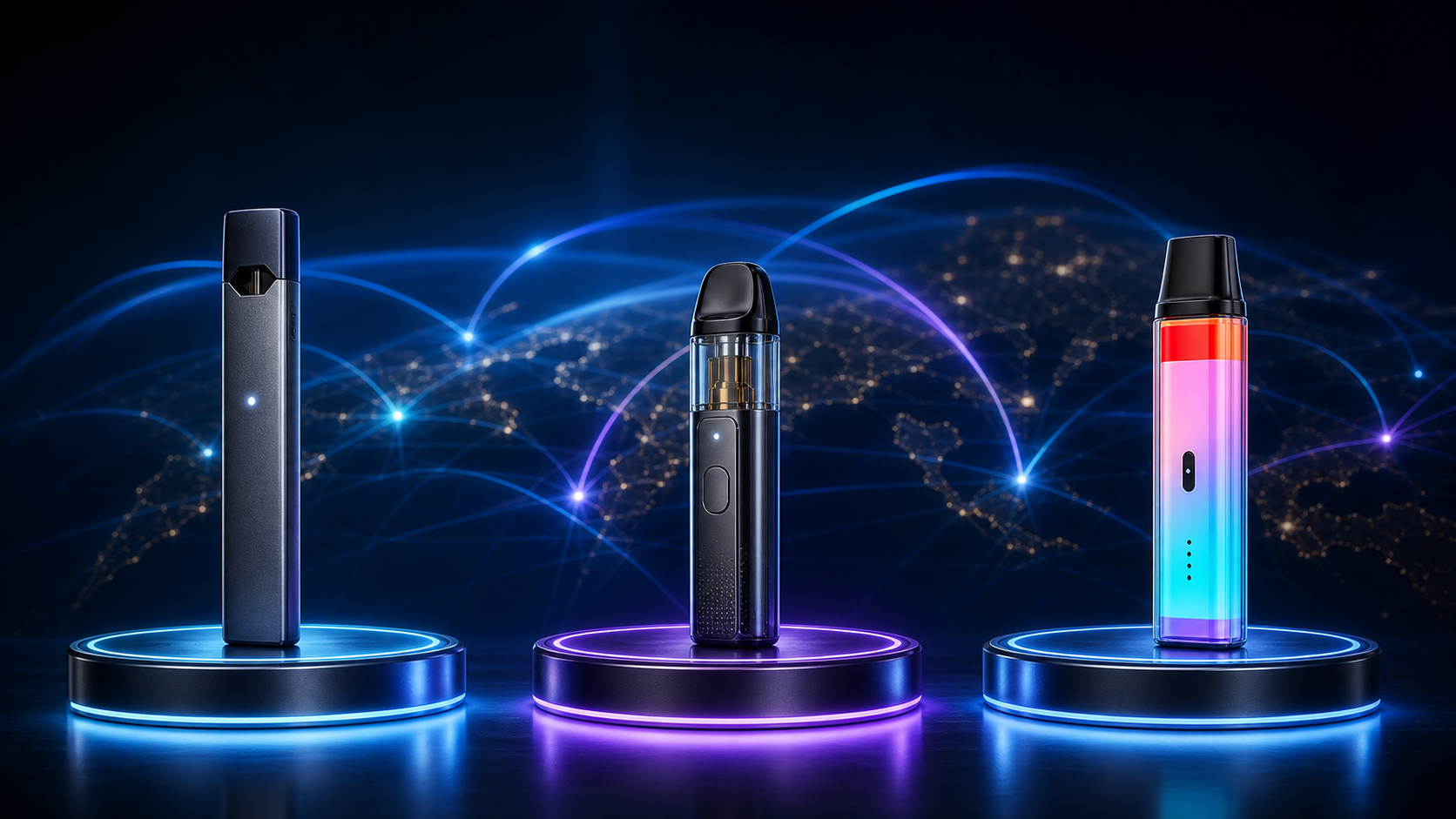
Vuse moves inside a fully consolidated global tobacco group. Distribution, regulatory capability, and R&D become as important as the device itself.
Closed pods prioritize draw activation, high-strength formulations, portability, and brand-controlled consumables. Open systems continue, but the mass-market center moves back toward closed hardware.
BAT consolidates Vuse through Reynolds, RELX scales in China, JUUL expands internationally, and a U.S. lung-injury outbreak changes risk language worldwide.
Nicotine-salt pods compress performance into a smaller device, venture capital and tobacco money accelerate distribution, and youth use shifts the public debate. EVALI then collapses distinct products and supply chains into one word: “vaping.”
Closed pods prioritize draw activation, high-strength formulations, portability, and brand-controlled consumables. Open systems continue, but the mass-market center moves back toward closed hardware.
BAT consolidates Vuse through Reynolds, RELX scales in China, JUUL expands internationally, and a U.S. lung-injury outbreak changes risk language worldwide.
The founders moved from Ploom tobacco-vapor products to PAX, then launched JUUL. JTI acquired specified Ploom tobacco-vapor IP—not the whole company—and JUUL later separated from PAX Labs.
R.J. Reynolds launched Vuse with tobacco-company R&D and distribution; BAT later inherited the brand through its Reynolds acquisition.
RELX turned China from primarily an export manufacturing base into a branded domestic vapor market, combining closed systems, a store network, capital, and later in-house laboratories.
Geekvape entered through enthusiast hardware and later used the Aegis family to make shock-, dust-, and water-resistance a recognizable product proposition.
VOOPOO’s DRAG made chipset speed and regulation visible marketing ideas, while later VINCI products helped define the pod-mod hybrid.
Nothing from the historical record is removed by the visual chapter above. Every step remains linked to a patent, filing, law, regulator, study, or clearly labelled company record.
Vuse moves inside a fully consolidated global tobacco group. Distribution, regulatory capability, and R&D become as important as the device itself.
BAT transaction releaseRLX’s SEC filings trace operations to Shenzhen Wuxin Technology. A domestic branded-store network soon turns a Chinese manufacturing center into a Chinese consumer-brand market.
RLX SEC registrationThe deal values JUUL at $38 billion and pairs startup growth with cigarette-company distribution. It is a minority investment—not an acquisition—and later becomes a cautionary capital story.
Altria SEC exhibitCDC’s investigation strongly linked the outbreak to vitamin E acetate in THC-containing products, especially informal sources. It did not establish that all nicotine e-cigarettes caused EVALI.
CDC archived investigationVuse moves inside a fully consolidated global tobacco group. Distribution, regulatory capability, and R&D become as important as the device itself.
RLX’s SEC filings trace operations to Shenzhen Wuxin Technology. A domestic branded-store network soon turns a Chinese manufacturing center into a Chinese consumer-brand market.
The deal values JUUL at $38 billion and pairs startup growth with cigarette-company distribution. It is a minority investment—not an acquisition—and later becomes a cautionary capital story.
CDC’s investigation strongly linked the outbreak to vitamin E acetate in THC-containing products, especially informal sources. It did not establish that all nicotine e-cigarettes caused EVALI.
The U.S.

The first decision covers one Vuse Solo device and two tobacco-flavored cartridges. It is product-specific authorization under a population-health standard—not a brand-wide pass or safety approval.
Regulatory status attaches to named device-and-consumable combinations. In China, national standards constrain flavors, emissions, hardware, labeling, and transaction channels.
The U.S. PMTA pathway, China’s monopoly licensing, and Europe’s product limits generate different portfolios. A brand may be lawful in one market, altered in another, and unauthorized in a third.
The U.S. authorizes individual products, China licenses a domestic industry under a mandatory standard, and tobacco groups re-enter through acquisitions. Meanwhile, unauthorized disposable brands scale faster than review systems can respond.
Regulatory status attaches to named device-and-consumable combinations. In China, national standards constrain flavors, emissions, hardware, labeling, and transaction channels.
The U.S. PMTA pathway, China’s monopoly licensing, and Europe’s product limits generate different portfolios. A brand may be lawful in one market, altered in another, and unauthorized in a third.
R.J. Reynolds launched Vuse with tobacco-company R&D and distribution; BAT later inherited the brand through its Reynolds acquisition.
RELX turned China from primarily an export manufacturing base into a branded domestic vapor market, combining closed systems, a store network, capital, and later in-house laboratories.
FirstUnion belongs in the industry story because many globally sold devices begin with an invisible manufacturing platform. Its official history traces the group to Shenzhen in 2004 and reports work with more than 200 brands across over 80 countries, supported by nicotine, non-combustion-heating, medical, and functional-substance atomization platforms.
SMOORE grew as a design-and-manufacturing platform serving other brands, then made the FEELM technology name visible on closed-system ceramic solutions.
NJOY helped establish the U.S. tobacco-law route, made the King disposable a visible premium cigalike, passed through bankruptcy-era asset transfers, and re-emerged around the ACE pod.
Elf Bar paired compact industrial design, many flavors, and fast-moving global distribution. In the U.S., trademark litigation was followed by EB Design and EB Create naming.
Nothing from the historical record is removed by the visual chapter above. Every step remains linked to a patent, filing, law, regulator, study, or clearly labelled company record.
The first decision covers one Vuse Solo device and two tobacco-flavored cartridges. It is product-specific authorization under a population-health standard—not a brand-wide pass or safety approval.
FDA marketing ordersThe State Council framework, administrative measures, and mandatory GB 41700-2022 standard connect manufacturing, product design, domestic transactions, and taxation.
China MIIT legal textThe deal puts an FDA-authorized pod platform inside Altria after its JUUL investment had collapsed. The NJOY brand’s earlier bankruptcy history means brand continuity is not legal-entity continuity.
Altria completion noticeFDA places the unauthorized brand on import alert; U.S. names shift through EB Design and EB Create amid trademark litigation. The same manufacturer also markets Lost Mary.
FDA import alert summaryThe first decision covers one Vuse Solo device and two tobacco-flavored cartridges. It is product-specific authorization under a population-health standard—not a brand-wide pass or safety approval.
The State Council framework, administrative measures, and mandatory GB 41700-2022 standard connect manufacturing, product design, domestic transactions, and taxation.
The deal puts an FDA-authorized pod platform inside Altria after its JUUL investment had collapsed. The NJOY brand’s earlier bankruptcy history means brand continuity is not legal-entity continuity.
FDA places the unauthorized brand on import alert; U.S. names shift through EB Design and EB Create amid trademark litigation. The same manufacturer also markets Lost Mary.
High-puff disposables become a global retail phenomenon while enforcement, environmental rules, and product review push the object toward rechargeable, refillable, age-gated, or tightly listed formats.
Import controls, pharmacy-only supply, and therapeutic-product rules create a distribution model unlike both ordinary retail in Europe and PMTA review in the United States.
Screens, dual coils, larger reservoirs, and rechargeable batteries blur “single-use.” Regulation increasingly tests replaceability, refillability, flavor, nicotine source, and exact product identity.
Australia moves legal supply to pharmacies; Belgium, France, the UK, and New Zealand ban disposable formats; the U.S. authorizes a small set of named products while seizing large unauthorized shipments.
High-puff disposables become a global retail phenomenon while enforcement, environmental rules, and product review push the object toward rechargeable, refillable, age-gated, or tightly listed formats.
Screens, dual coils, larger reservoirs, and rechargeable batteries blur “single-use.” Regulation increasingly tests replaceability, refillability, flavor, nicotine source, and exact product identity.
Australia moves legal supply to pharmacies; Belgium, France, the UK, and New Zealand ban disposable formats; the U.S. authorizes a small set of named products while seizing large unauthorized shipments.
Geek Bar’s later products made screens, dual-coil modes, rechargeable batteries, and very high puff claims visible features of a category still commonly called “disposable.”
Elf Bar paired compact industrial design, many flavors, and fast-moving global distribution. In the U.S., trademark litigation was followed by EB Design and EB Create naming.
Lost Mary shows how a manufacturer can operate multiple consumer identities around the same fast-moving disposable supply and distribution system.

VOZOL is one of the globally visible post-2019 brands that moved from disposables toward multi-flavor and reusable formats across Europe and the Middle East.
Geekvape entered through enthusiast hardware and later used the Aegis family to make shock-, dust-, and water-resistance a recognizable product proposition.
VOOPOO’s DRAG made chipset speed and regulation visible marketing ideas, while later VINCI products helped define the pod-mod hybrid.
Nothing from the historical record is removed by the visual chapter above. Every step remains linked to a patent, filing, law, regulator, study, or clearly labelled company record.
Import controls, pharmacy-only supply, and therapeutic-product rules create a distribution model unlike both ordinary retail in Europe and PMTA review in the United States.
Australian TGABelgium, France, the United Kingdom, and New Zealand target the single-use format on different legal schedules. These are product-format bans, not interchangeable total prohibitions on all vaping.
UK ban guidanceThe return covers one device and four tobacco- or menthol-flavored pods at specified strengths. It does not erase earlier enforcement, litigation, or youth-use history—and is not a safety approval.
FDA authorizationThe decision expands the authorized set without creating a general flavored-vape pathway. Named products survive; adjacent products remain separate legal questions.
FDA authorizationImport controls, pharmacy-only supply, and therapeutic-product rules create a distribution model unlike both ordinary retail in Europe and PMTA review in the United States.
Belgium, France, the United Kingdom, and New Zealand target the single-use format on different legal schedules. These are product-format bans, not interchangeable total prohibitions on all vaping.
The return covers one device and four tobacco- or menthol-flavored pods at specified strengths. It does not erase earlier enforcement, litigation, or youth-use history—and is not a safety approval.
The decision expands the authorized set without creating a general flavored-vape pathway. Named products survive; adjacent products remain separate legal questions.
Nine market lenses show why one global timeline is never enough. Each country combines a different legal route, retail structure, consumer culture, and mix of local and international brands.
The ten names shown are the CDC Foundation data brief’s dated dollar-sales order for tracked retail, where authorized cartridge systems and unauthorized disposables appeared together. Visibility is not authorization.
After the single-use ban, familiar disposable names moved into pod systems while reusable tank brands retained a large adult base. The names combine three device-specific survey lists.
China is both the global manufacturing center and a tightly licensed domestic market. Consumer brands and manufacturing platforms are separated; the names document important entities in the record rather than one comparable domestic leaderboard.
Notification, tax, flavor and disposable rules differ by member state. Without a comparable public EU-wide brand dataset, the Museum does not publish a single ranked brand list for the bloc.
No legal consumer-brand leaderboard is published.

The UAE and nearby distribution hubs connect international pod and disposable brands with local standards. The names retained here have attributable company records; country legality and channel quality still vary sharply.

Indonesia and Malaysia support strong local brand cultures, while the Philippines regulates registered products and enforcement. Other countries in the region prohibit sales; a regional presence claim cannot be generalized to every country.

Twisp led the 2021 national adult survey. A separate 2022 urban survey recorded Twisp, Vuse and SMOK most often among users who knew their brand, followed by VOOPOO and Vaporesso.
A locally developed specialist-retail market sits alongside imported reusable hardware. Single-use products were prohibited from June 17, 2025; the two names shown have direct dated records rather than an inferred national rank.
The Museum deliberately publishes no consumer-brand leaderboard for Australia. Legal supply is restricted to eligible therapeutic vaping goods through pharmacy pathways; illicit visibility is not treated as legal market leadership.
No legal consumer-brand leaderboard is published.
All 94 brands, enterprises, laws, and events are documented in the Museum index. Only 6 currently have published owner stories; the remaining records are clearly marked in preparation and never create premature crawlable URLs.
Global record
Read the VapeRisk storyGlobal record
Read the VapeRisk storyGlobal record
Read the VapeRisk storyGlobal record
Read the VapeRisk storyGlobal record
Read the VapeRisk storyGlobal record
Read the VapeRisk storyChina · since 2018
Story in preparationChina · since 2018
Story in preparationChina · since 2018
Story in preparationChina · since 2019
Story in preparationChina · since 2015
Story in preparationChina · since 2015
Story in preparationUnited States / China supply · since 2020s
Story in preparationChina · since 2016
Story in preparationChina · since 2019
Story in preparationChina · since 2018
Story in preparationChina · since 2021
Story in preparationChina / United Kingdom · since 2013
Story in preparationUnited Kingdom · since 2016
Story in preparationUnited Kingdom / China supply · since 2020s
Story in preparationUnited States / United Kingdom · since 2013
Story in preparationUnited States · since 2015
Story in preparationUnited States · since 2006
Story in preparationUnited States · since 2009
Story in preparation
United States · since 2010
Story in preparationSwitzerland · since 2020s
Story in preparationUnited States / China supply · since 2019
Story in preparationUnited States / China supply · since 2018
Story in preparationChina · since 2010s
Story in preparationUnited States / China supply · since 2020
Story in preparationUnited States / China supply · since 2020s
Story in preparationUnited States / China supply · since 2019
Story in preparationMinnesota, United States · since 2012
Story in preparationUnited States / China supply · since 2022
Story in preparationChina · since 2010
Story in preparationChina · since 2015
Story in preparationChina · since 2015
Story in preparationChina · since 2019
Story in preparationChina · since 2013
Story in preparationChina · since 2011
Story in preparationChina · since 2007
Story in preparationChina · since 2007
Story in preparationChina · since 2011
Story in preparationChina · since 2014
Story in preparationMalaysia · since 2015
Story in preparationIndonesia · since 2019
Story in preparationNew Zealand · since 2015
Story in preparationSouth Africa · since 2008
Story in preparationUnited States / Middle East focus · since 2016
Story in preparationGlobal record
Story in preparationGlobal record
Story in preparationGlobal record
Story in preparationGlobal record
Story in preparationGlobal record
Story in preparationGlobal record
Story in preparationGlobal record
Story in preparationGlobal record
Story in preparationGlobal record
Story in preparationGlobal record
Story in preparationGlobal record
Story in preparationGlobal record
Story in preparationGlobal record
Story in preparationGlobal record
Story in preparationGlobal record
Story in preparationGlobal record
Story in preparationGlobal record
Story in preparationGlobal record
Story in preparationShenzhen, China · since 2004
Story in preparationGlobal record
Story in preparationGlobal record
Story in preparationGlobal record
Story in preparationGlobal record
Story in preparationGlobal record
Story in preparationGlobal record
Story in preparationGlobal record
Story in preparationGlobal record
Story in preparationGlobal record
Story in preparationGlobal record
Story in preparationGlobal record
Story in preparationGlobal record
Story in preparationGlobal record
Story in preparationGlobal record
Story in preparationGlobal record
Story in preparationGlobal record
Story in preparationGlobal record
Story in preparationGlobal record
Story in preparationGlobal record
Story in preparationGlobal record
Story in preparationGlobal record
Story in preparationGlobal record
Story in preparationGlobal record
Story in preparationGlobal record
Story in preparationGlobal record
Story in preparationGlobal record
Story in preparationInclusion documents historical or market relevance. It does not mean safety, legality in every market, current leadership, or VapeRisk endorsement.
A curated editorial index of the companies that made devices, built atomization platforms, scaled new formats, or changed how a major market understood vaping. Official wordmarks keep their real colors and proportions.
A domestic branded-store network turned China from primarily an export workshop into a major branded consumer market before the 2021–2022 licensing reset.
Vuse links Reynolds’ U.S. retail power with BAT’s global new-category network and the first U.S. marketing orders for an electronic nicotine-delivery system.
Nicotine salts and a compact pod re-centered the mass market, then youth use, litigation, capital loss, and product review reshaped the company’s trajectory.
From rebuildables to the durable Aegis platform, Geekvape became one of the defining global hardware names and later supported adjacent disposable brands.
DRAG made chipset performance part of the brand identity; VINCI and ARGUS then helped define pod-mod and compact pod categories worldwide.
Vaporesso translated SMOORE’s manufacturing and technology platform into a global consumer name; XROS later became a highly visible reusable pod family.
Nautilus and Atlantis place Aspire at the transition from mouth-to-lung clearomizers to mainstream sub-ohm performance and long-lived coil ecosystems.
The iTaste MVP normalized practical box-shaped devices; Endura and later platforms emphasized durable starter systems rather than constant novelty.
The eGo battery and 510 ecosystem helped move vaping away from cigarette imitation and toward interoperable specialist hardware.
Rechargeable high-puff devices, screens, dual modes, and rapid U.S. growth made Geek Bar a symbol of the feature-rich disposable era.
One of the most globally recognized disposable names, followed by U.S. renaming, import enforcement, and a strategic shift into reusable formats after policy bans.
A sister-brand strategy created a different design language from Elf Bar; by 2026 Lost Mary led several surveyed UK disposable and pod-device measures.
VOZOL is one of the globally visible post-2019 brands that moved from disposables toward multi-flavor and reusable formats across Europe and the Middle East.
An early Shenzhen manufacturing platform rather than a single consumer label. FirstUnion reports partnerships with 200+ brands across 80+ countries, spanning nicotine atomization, non-combustion heating, medical atomization, and intelligent manufacturing.
Open each dossier for the invention, ownership changes, manufacturing role, capital, regulation, and evidence boundary behind a familiar name.
Hon Lik’s patent family and Ruyan’s recorded 2004 sales anchor the best-documented modern commercial story. The listed group later sold a defined e-vapour asset package to Fontem.
NJOY helped establish the U.S. tobacco-law route, made the King disposable a visible premium cigalike, passed through bankruptcy-era asset transfers, and re-emerged around the ACE pod.
Jason Healy’s blu became one of the first recognizable U.S. e-cigarette brands and showed how quickly independent vapor brands could become strategic tobacco-company assets.
Joyetech helped make hardware modular and recognizable: the Joye 510, eGo battery, eGo-T tank, and eGo-C changeable atomizer became reference forms across specialist retail.
Kangertech’s clearomizer and tank families helped turn replaceable coils and visible reservoirs into ordinary parts of the open-system experience.
Aspire’s Nautilus and Atlantis lines sit at the transition from mouth-to-lung clearomizers to mainstream sub-ohm tanks, with coil families becoming durable platform assets.
FirstUnion belongs in the industry story because many globally sold devices begin with an invisible manufacturing platform. Its official history traces the group to Shenzhen in 2004 and reports work with more than 200 brands across over 80 countries, supported by nicotine, non-combustion-heating, medical, and functional-substance atomization platforms.
SMOORE grew as a design-and-manufacturing platform serving other brands, then made the FEELM technology name visible on closed-system ceramic solutions.
Vaporesso translated SMOORE’s component and manufacturing base into a visible consumer brand spanning regulated mods, tanks, and later pod systems.
Geekvape entered through enthusiast hardware and later used the Aegis family to make shock-, dust-, and water-resistance a recognizable product proposition.
VOOPOO’s DRAG made chipset speed and regulation visible marketing ideas, while later VINCI products helped define the pod-mod hybrid.
The founders moved from Ploom tobacco-vapor products to PAX, then launched JUUL. JTI acquired specified Ploom tobacco-vapor IP—not the whole company—and JUUL later separated from PAX Labs.
R.J. Reynolds launched Vuse with tobacco-company R&D and distribution; BAT later inherited the brand through its Reynolds acquisition.
Logic moved from rechargeable cigalikes and disposables into the Logic Pro tank, then gave Japan Tobacco an established U.S. vapor route.
RELX turned China from primarily an export manufacturing base into a branded domestic vapor market, combining closed systems, a store network, capital, and later in-house laboratories.
Elf Bar paired compact industrial design, many flavors, and fast-moving global distribution. In the U.S., trademark litigation was followed by EB Design and EB Create naming.
Lost Mary shows how a manufacturer can operate multiple consumer identities around the same fast-moving disposable supply and distribution system.
Geek Bar’s later products made screens, dual-coil modes, rechargeable batteries, and very high puff claims visible features of a category still commonly called “disposable.”
Patents, court decisions, company filings, laws, regulator records, surveys, scientific studies, and company-authored histories are labelled by source type and certainty.
Policy updates, product intelligence, source notes and industry signals — straight to your inbox when the briefing launches.