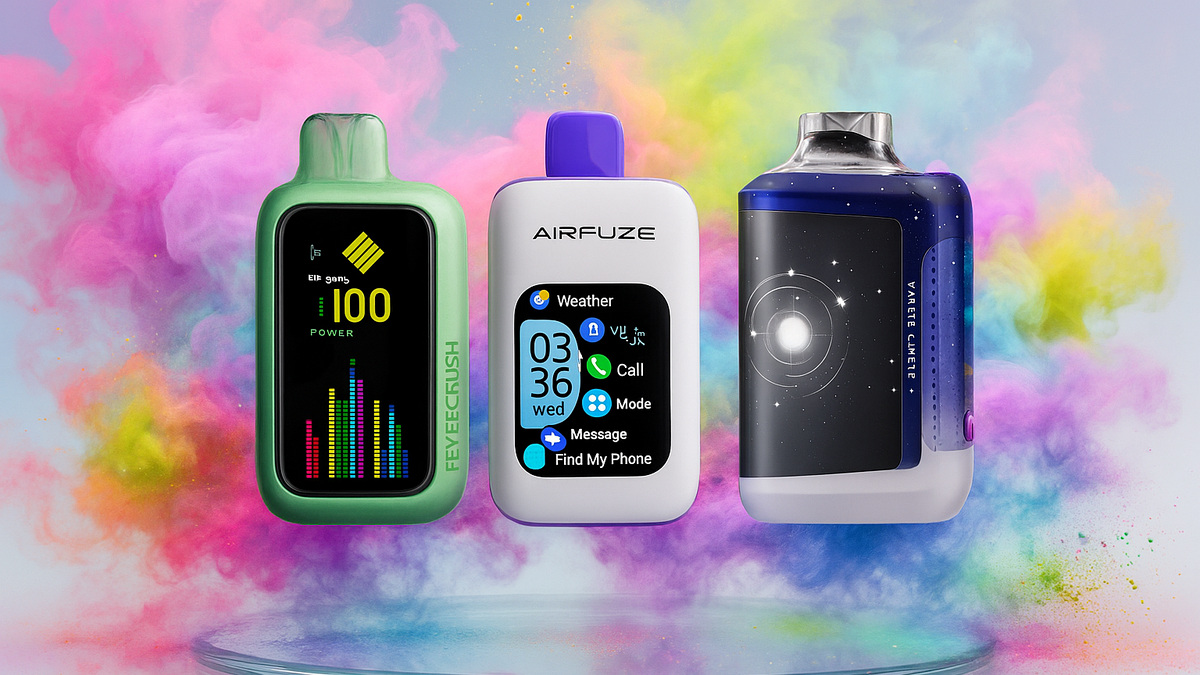
Spec Analysis A screen can make a disposable vape easier to read, but it does not automatically make the product more accurate.
What the screen claims to solve
Smart screens usually promise visibility: battery level, e-liquid estimate, power mode, puff behavior, or animation. This can improve usability if the indicators reflect the device accurately.
Exact-model example: The RAZ TN9000 review records conflicting public screen and specification claims. It is an example of why a display should be treated as a status interface, not proof of measured liquid, battery or runtime accuracy.
The problem is that a display is only as useful as the sensor and algorithm behind it. A beautiful screen can still show vague or misleading information.
What VapeRisk would check
A fair review should compare the screen with observed device behavior. Does the battery indicator drop predictably? Does the e-liquid indicator match actual decline? Do modes change vapor output? Does the screen create unnecessary power drain?
Those questions can be answered through hands-on use and, where appropriate, teardown or lab testing.
Reader takeaway
Treat a smart screen as a feature to evaluate, not as proof of quality. The claim needs observation.