Quick answer: A new vaping gene expression study published in Frontiers in Oncology and summarized by USC says flavor type and device generation helped explain differences in gene activity among regular e-cigarette users. The VapeRisk read is narrow: this is not proof that a specific device causes disease, but it is a useful signal that product-level variables such as flavor category, device design, and exposure history should be checked before broad safety or risk claims are made.
| Fact | Detail |
|---|---|
| Primary source | Frontiers in Oncology, original research article, published June 1, 2026 |
| Institutional source | Keck School of Medicine of USC press release, June 1, 2026 |
| Study sample | 83 participants: 35 vapers, 24 cigarette smokers, and 24 non-users |
| Measurement | RNA sequencing of oral epithelial cells |
| Buyer / retailer relevance | Flavor and device claims should be treated as product-specific variables, not generic category claims |
What did the vaping gene expression study measure?
The study analyzed oral epithelial cells and compared gene activity across regular e-cigarette users, cigarette smokers, and people who used neither product. The researchers evaluated dose measures such as years vaped and cumulative e-liquid exposure, then examined whether product characteristics added more explanatory value.
USC’s summary says regular vapers showed altered activity in 3,124 genes compared with non-users. The journal article reports that device generation and flavor type explained additional, largely non-overlapping components of gene-expression variability among vapers.
Why do flavor and device type matter?
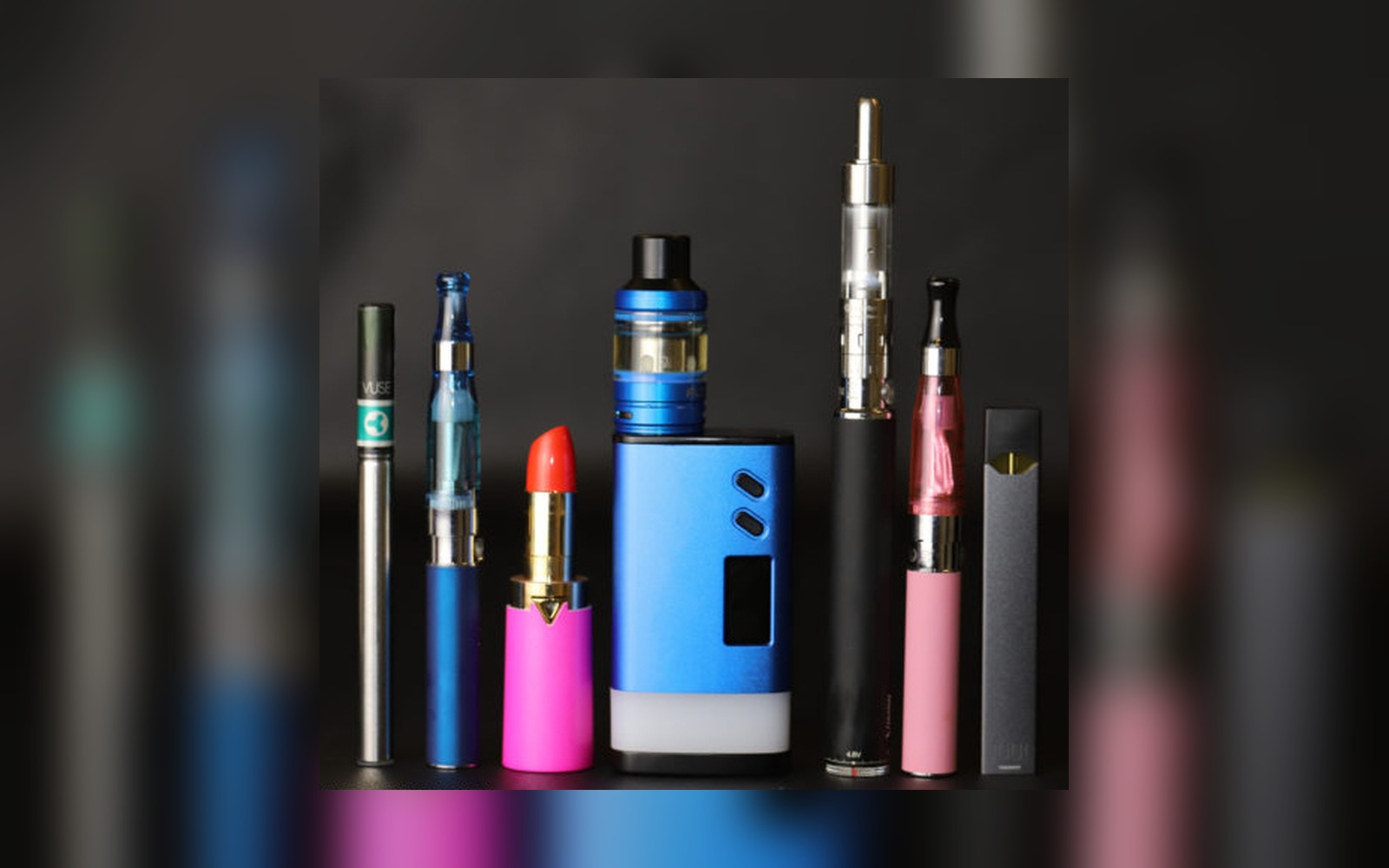
For product-risk analysis, the most important point is that “vaping” is not one uniform exposure. A pod, mod, high-power refillable device, fruit flavor, menthol flavor, or multiple-flavor pattern may create different exposure profiles.
That does not mean this study proves a direct disease outcome for a named retail product. It means broad claims such as “all flavors perform the same” or “device type is irrelevant” need stronger evidence than a generic category statement.
VapeRisk risk read
This study supports a more granular review model for vape claims. If a brand, retailer, or policy source makes a claim about flavor risk, device risk, or switching benefits, the claim should identify the exact product type, flavor family, nicotine level, power mode, and exposure assumption behind it.
That same logic appears in VapeRisk’s claim verification coverage and in our reporting on flavor, packaging, and youth-use enforcement.
What remains unverified?
The study sample was limited, and the measured endpoint was gene-expression change, not a long-term clinical disease endpoint. The paper also does not validate retail puff-count claims, prove that one named device is safer than another, or establish that a flavor category alone determines health outcomes.
Buyer and retailer watch list
- Be cautious when a product page implies broad safety from flavor, device style, or “smoothness” language.
- Record device generation, power mode, e-liquid volume, nicotine strength, and flavor family in product intake files.
- Separate peer-reviewed findings from marketing claims when comparing products.
- Use this as a weekly planner lead for deeper lab-method coverage, not as a single-study verdict.
Related VapeRisk Coverage
- TGA July 2025 vape standards push quality into the supply chain
- Why vape product claims need verification
FAQ
What did the vaping gene expression study find?
The vaping gene expression study found that device generation and flavor type helped explain differences in gene activity among regular e-cigarette users, alongside dose and exposure measures.
Did the study prove that vaping causes cancer?
No. The study measured gene-expression patterns in oral cells and discussed disease-related pathways, but it did not prove that vaping causes cancer or another long-term disease in a named product user.
Why should retailers care about flavor and device type?
Retailers should care because flavor and device type can change the evidence needed to support a product claim. A claim about one device or flavor should not be treated as proof for the entire category.