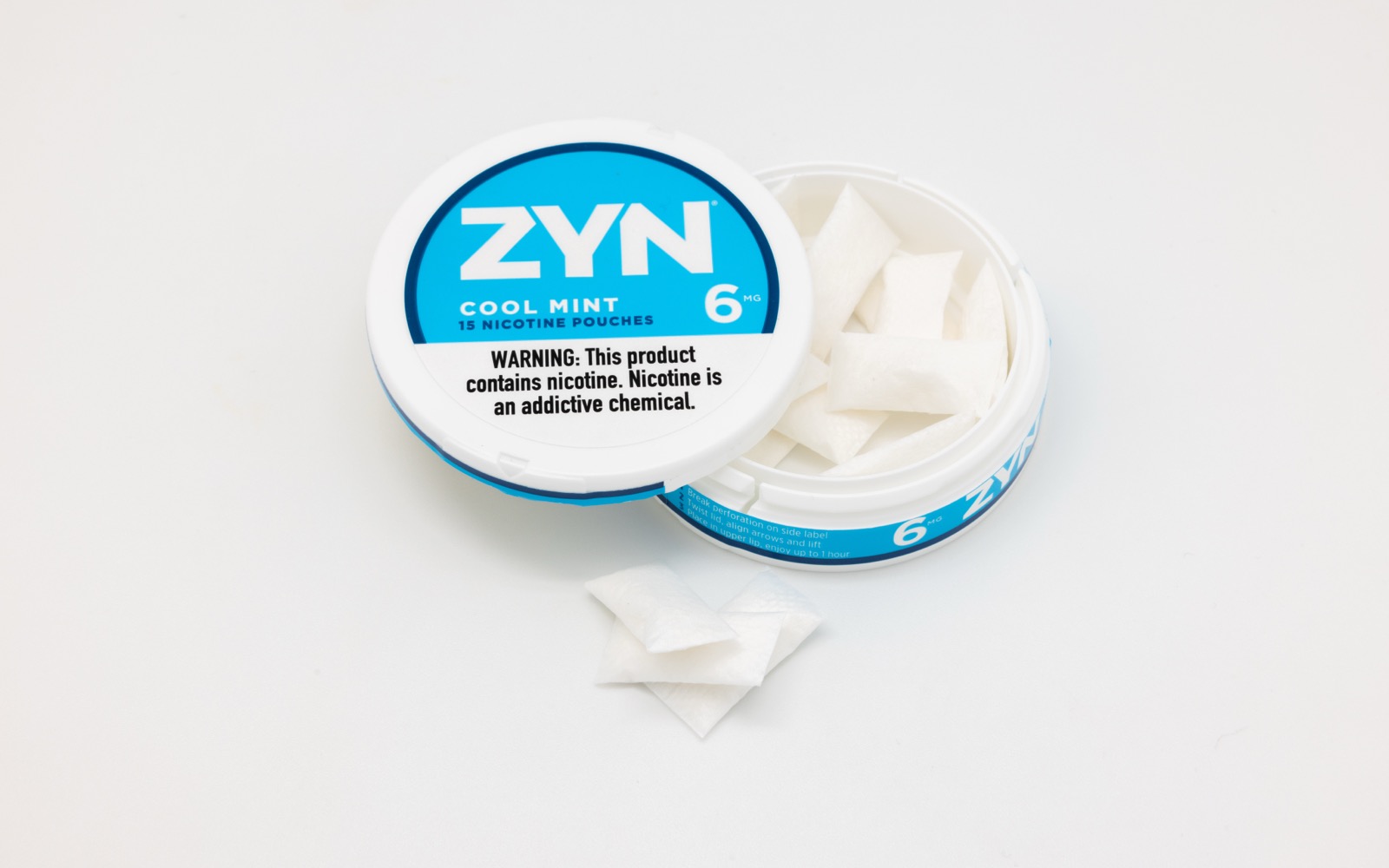
Quick answer: The New York nicotine pouch tax applies a 75% wholesale tax to alternative nicotine products such as ZYN-style pouches under the state’s FY27 budget package. The rule makes pouch classification a retail-pricing and compliance issue, not a safety claim and not proof that nicotine pouches are approved as smoking-cessation products.
| Field | Current signal | Retail implication |
|---|---|---|
| Jurisdiction | New York State | Retailers need state-specific tax treatment for alternative nicotine products. |
| Rate | 75% of wholesale price, according to the governor’s FY27 budget release. | Invoice cost and shelf price can shift quickly. |
| Product category | Alternative nicotine products, including nicotine pouches. | Product intake files should separate pouches from vapes, cigarettes and loose tobacco. |
What happened
New York Governor Kathy Hochul’s May 28, 2026 budget release says the FY27 budget treats alternative nicotine products such as ZYN-style pouches like tobacco products for tax purposes and applies a new 75% tax on the wholesale price.
The state described the measure as a youth-use and health-funding policy. Local reporting by the Times Union said the budget had extended the 75% wholesale tobacco tax to nicotine pouches and other alternative nicotine products, while industry critics warned that higher prices could push demand into informal channels.
Why the New York nicotine pouch tax matters
Nicotine pouches sit in a confusing category for many shoppers. They are not combustible cigarettes, and many do not contain tobacco leaf, but they still contain nicotine and are regulated differently across jurisdictions. New York’s budget move pulls them into tobacco tax administration, which changes the business math for stores and distributors.
That does not settle the product-risk debate. A tax classification is not a lab finding, FDA cessation approval, or proof of reduced harm. It is a fiscal and enforcement decision that affects pricing, invoices, point-of-sale systems and retail-margin planning.
VapeRisk risk read
The near-term retail risk is classification drift. A store that stocks pouches, vape pods and e-liquids needs clean product records so the correct tax and age-restriction workflow attaches to the correct category. Treating pouches as a casual add-on at checkout creates avoidable audit risk.
The buyer-facing risk is assumption creep. Higher tax does not mean “more dangerous than cigarettes,” and lower-smoke positioning does not mean “safe.” The more useful question is whether the package, nicotine strength, authorization status, age gate and seller are documented.
What remains unverified
Public materials reviewed today do not show how enforcement will be phased at every local retail counter, how distributors will update invoices, or how cross-border purchasing will change. Those details should be monitored through New York tax guidance and retailer bulletins.
Buyer and retailer watch list
- Confirm whether a product is an alternative nicotine product under New York tax rules.
- Keep distributor invoices and product-category records.
- Do not use tax status as a health or cessation claim.
- Watch for price gaps that may encourage gray-market purchasing.
Related VapeRisk Coverage
- FDA nicotine pouches environmental assessment
- Retail shelf risk is the new vape media beat
- What retailers should keep in a vape product intake file
FAQ
What is the New York nicotine pouch tax?
The New York nicotine pouch tax is a 75% wholesale tax on alternative nicotine products such as nicotine pouches under the state’s FY27 budget policy.
Does the tax mean nicotine pouches are the same as cigarettes?
No. The tax means New York is treating alternative nicotine products as tobacco products for tax administration; it does not provide a full toxicology comparison with cigarettes.
Should retailers change their pouch intake process?
Yes. Retailers should keep clear product-category, invoice and age-restriction records for nicotine pouches because pricing and tax treatment can differ from other nicotine products.