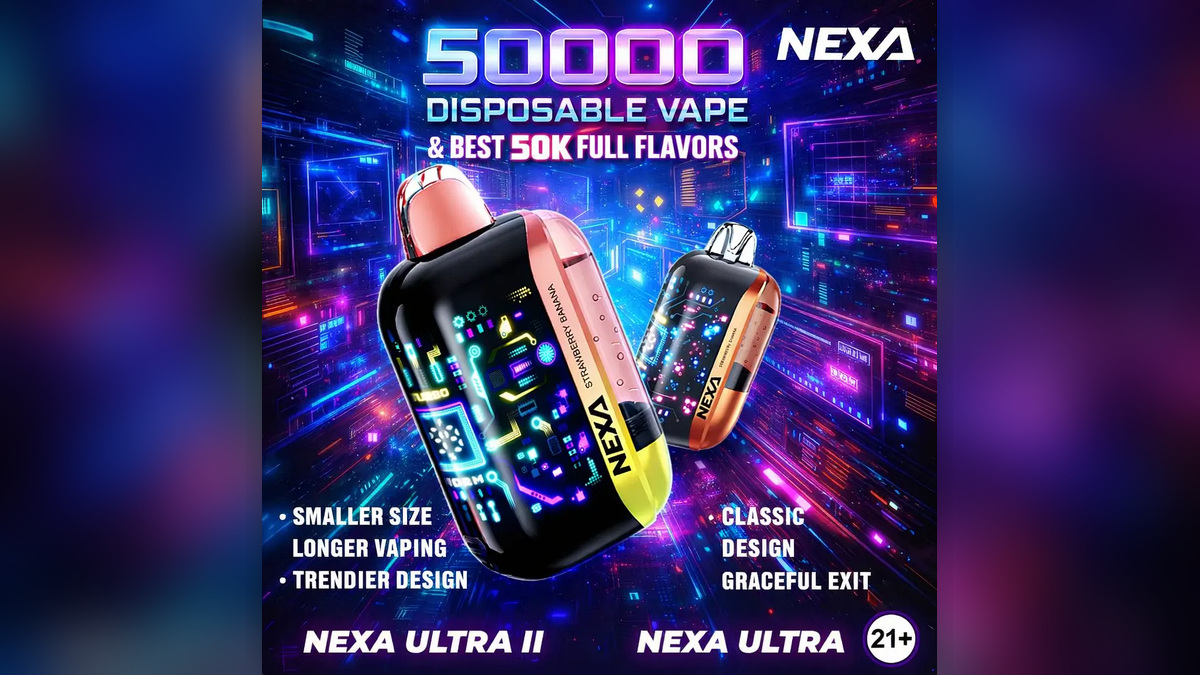
Quick answer: Battery capacity can constrain a vape puff-count claim, but it cannot verify the puff count by itself. A credible puff claim also depends on e-liquid volume, coil and output design, rechargeability, draw duration, puff interval, airflow, power mode and a disclosed test method. Unless a VapeRisk page says a controlled puff-count test was run, high numbers such as 25K, 30K, 50K, 60K, 100K or 120K remain brand, manufacturer or retailer claims.
This hub is the evidence ladder VapeRisk uses before treating a puff-count number as more than marketing copy. It links the hardware variables, the testing method questions and the product-claim pages without inventing measurements.
Why battery capacity is only one variable
A vape is not just a battery. FDA’s ENDS component guidance lists e-liquids, cartridges, atomizers, certain batteries, digital displays or lights, tank systems and related parts as regulated ENDS components. That matters for claim checking: a puff label is a system claim, not a battery-only claim.
A larger battery may help a device support more heating cycles, especially if it is rechargeable, but it cannot prove that enough liquid is present, that the wick can feed the coil until the end, that every puff uses the same power, or that the brand’s puff definition matches real use.
Variables that drive puff count
| Variable | Why it changes puff count | What VapeRisk can verify |
|---|---|---|
| Battery capacity | Higher nominal mAh can support more total heating time, but only if output, efficiency and recharge behavior allow it. | Cell markings, stated mAh, usable capacity from a tested unit, charge behavior and whether the device is rechargeable. |
| E-liquid capacity | Liquid volume can become the limiting factor even when the battery still has charge. | Official liquid claim, visible reservoir, removable pod/refill format or teardown-based liquid-holding estimate. |
| Coil resistance and output | Higher power, dual mesh coils or boost modes can consume liquid and battery faster per puff. | Official coil/output claims, component markings, observed modes and measured resistance when tested. |
| Draw duration | A three-second puff and a seven-second puff are not the same energy or liquid demand. | Published test method, automatic cutoff behavior or VapeRisk test settings when disclosed. |
| Puff interval | Short intervals can change heat, wicking recovery and consistency across a session. | Disclosed machine regime, observed cooldown assumptions or explicit unknown status. |
| Airflow and user style | Open airflow and direct-to-lung style can increase aerosol demand compared with tighter mouth-to-lung use. | Airflow design, mode labels and whether the claim depends on a specific usage style. |
| Rechargeability | Charging can let one battery support multiple liquid sessions, but it does not add liquid or prove coil endurance. | USB-C or dock design, charge cycles observed and whether replacement pods or refill containers are part of the claim. |
Battery capacity vs liquid capacity
The first check is whether the claim looks battery-limited, liquid-limited or method-limited. A small battery can be plausible in a rechargeable device if the device has enough liquid and can recharge safely between sessions. A larger battery can still sit behind a weak claim if the liquid volume, pod format or power mode cannot support the headline number.
That is why VapeRisk separates capacity evidence from puff evidence. Battery mAh, e-liquid mL and coil design can make a claim more or less plausible. They do not turn the label into a measured puff count.
Rechargeability: what it solves and what it does not solve
Rechargeability solves one problem: the battery can be topped up before the liquid or pod is finished. It does not solve liquid depletion, coil aging, flavor drop-off, leaks, dry hits or the definition of a puff. A rechargeable dock or USB-C port is useful evidence, but it is still only one piece of the chain.
When a high-puff product uses replacement pods, refill containers or a charging dock, VapeRisk treats the headline number as an architecture claim first. The next question is whether the number describes one sealed device, one pod, a kit plus replacement unit, multiple refills or an “up to” total under a specific mode.
Charging and handling are a separate decision. For device condition, cable or input uncertainty, unusual heat, air travel and disposal, use the Vape Battery Safety checklist. A safe-looking charging setup does not verify a puff claim, and a plausible puff architecture does not certify battery safety.
Draw duration and test method
Method matters. CORESTA’s machine-vaping work discusses defined puff volume, duration, interval, profile shape and puff number, with one recommended collection regime using a 55 mL puff, 3 second duration and 30 second interval. CORESTA’s later vaping-regime guide also notes that product design, user topography and device settings affect aerosol generation, and that high-airflow devices may need a different regime than a standard puff profile.
That is the reason VapeRisk asks for the method before accepting a puff total. A claim supported by a short, low-power, long-interval machine run should not be treated the same way as a long-draw, high-power, frequent-use scenario.
Power modes can change the same device claim
Power modes are one of the clearest signs that puff count is not fixed. FogerTech’s official Switch Pro page describes a modular device with a 200 mAh pod, an 850 mAh charging dock, 1.0 ohm dual mesh coil, 1050 mAh battery claim and two advertised mode totals: up to 30K in normal mode and up to 18K in boost mode. VapeRisk treats those numbers as official claims, not measured results.
Geek Bar’s official Pulse X page also emphasizes Pulse mode, one-button power adjustment and fast charging. Those are useful claim-check prompts: stronger output may improve intensity, but it can also change liquid and battery use per puff. The page must not imply that a mode label proves the final puff total.
Worked examples, illustrative only
The following examples are logic checks, not VapeRisk measurements. They show how the evidence ladder works before a controlled puff-count test exists.
| Illustrative case | What the claim might say | What the evidence can and cannot prove |
|---|---|---|
| Battery-limited case | A device has enough liquid but a small non-rechargeable battery. | The battery could limit usable life before liquid is finished. Without a puff test, VapeRisk can say the claim needs battery evidence, not that it fails. |
| Liquid-limited case | A device has a large battery but a small sealed liquid volume. | The battery may outlast liquid supply. A bigger mAh number still does not prove a large puff total. |
| Rechargeable kit case | A small pod pairs with a charging dock or replaceable pod system. | Rechargeability can make the battery side more plausible, but the claim may depend on pods, refills or mode assumptions. |
| Mode-sensitive case | Normal mode claims a higher puff number than boost or pulse mode. | The same hardware can have two different advertised totals because power draw changes. The mode label should stay attached to the claim. |
| Method-sensitive case | A puff total is based on an undisclosed puff duration and interval. | The number is not comparable with another brand’s number unless the test method is known. |
Claim, evidence and risk table
| Claim checked | Acceptable evidence | Main risk if missing |
|---|---|---|
| “Up to” puff count | Official source wording, exact SKU, mode label and disclosed puff-test method. | Marketing number gets repeated as a measured VapeRisk result. |
| Battery capacity | Official spec, cell marking, teardown photo or measured usable capacity for the tested unit. | Nominal mAh is treated as real-world endurance. |
| E-liquid capacity | Official mL claim, visible reservoir, cartridge count or teardown estimate with method note. | Battery evidence hides a liquid bottleneck. |
| Rechargeable or replaceable architecture | Official product page, packaging, USB-C/dock observation and replacement pod/refill documentation. | A kit total is mistaken for a single sealed disposable total. |
| Power mode | Official normal/boost/pulse labels and any mode-specific puff claims. | The highest puff count is applied to every mode. |
| Draw duration and interval | Published machine regime or VapeRisk method note. | Different test assumptions look comparable when they are not. |
| Taste consistency to the end | Long-run sensory notes, controlled panel method or repeated sample evidence. | “Last puff” language becomes a quality guarantee without support. |
Evidence ladder VapeRisk uses
- Source wording: capture the exact official claim, SKU, mode and date.
- Hardware plausibility: compare battery, liquid, coil, airflow, modes and rechargeability.
- Teardown or bench evidence: record what was observed or measured on the specific sample.
- Controlled puff-count test: only this can support a VapeRisk measured puff-count statement.
- Evidence limit: if the test is absent, keep the number as a claim and explain what remains unknown.
Where this connects
For VapeRisk’s method boundaries, start with Testing Methodology. For teardown-backed evidence limits, use Claimed vs Measured. For consumer-facing puff-label checks, compare How to Compare Vape Puff Count Claims.
Product claim pages should link back here when they discuss large numbers. Current examples include the Geek Bar Pulse X 25K review, the Foger Switch Pro 30K review and the REIGN BAR AMBER 70K claim article. Those pages should keep puff numbers attached to the source and the evidence limit.
Two teardown-backed examples show the same evidence limits: the JNR 100K teardown documents refill architecture while leaving its 100K puff total untested, and the IVG Air 2-in-1 teardown reports the device and internal-cell mAh markings separately rather than treating either as puff-count proof.
FAQ
Does a bigger battery prove a higher puff count?
No. A bigger battery can support more heating time, but puff count also depends on e-liquid volume, coil output, airflow, draw duration, puff interval, power mode and the test method. It is supporting evidence, not proof.
Can USB-C charging make a puff claim more reliable?
USB-C charging can make the battery side more plausible because the device can be recharged before the liquid is finished. It does not add liquid, preserve the coil or verify the advertised puff total.
Why do regular, boost and pulse modes change puff claims?
Higher-output modes can use more battery and liquid per puff. If a brand gives different puff totals for normal and boost modes, VapeRisk keeps the mode label attached to the claim and does not treat the largest number as universal.
What should buyers compare before trusting a 50K, 70K or 100K puff claim?
Compare the official SKU, liquid capacity, battery capacity, whether the device is rechargeable, whether pods or refills are included, the power mode behind the number and whether a puff-test method is disclosed.
Has VapeRisk measured every high-puff product listed here?
No. This page is a claim-checking method hub. It does not create new VapeRisk puff-count measurements. Any actual measurement must appear on the specific product or lab page with its method and evidence limit.
Sources reviewed
- FDA: E-Cigarettes, Vapes, and other Electronic Nicotine Delivery Systems – ENDS component and parts context.
- CORESTA: Machine vaping of electronic cigarettes – defined puff volume, duration, interval and reporting parameters.
- CORESTA Guide No. 22, August 2024 – intense-use regime considerations, topography and device-setting limits.
- FogerTech official Switch Pro page – official modular design, mode and battery/puff claims used as a claim example.
- Geek Bar official Pulse X page – official Pulse mode, power adjustment and charging language used as a claim-check prompt.
Evidence context: This analysis sits within the VapeRisk Labs evidence hub, where methods, datasets and claim boundaries are documented.